
Fluoride is one of the most studied minerals in dentistry, and for good reason. It plays a direct role in how teeth resist decay, how enamel repairs itself after acid exposure, and how dental public health programs have shaped oral health outcomes over the past several decades. If you have wondered what fluoride actually does and why it appears in toothpaste, drinking water, and professional dental treatments, this post covers the essentials.
What Is Fluoride?
Fluoride is a naturally occurring mineral found in soil, rock, water, and certain foods. It is present in trace amounts in many groundwater sources around the world, and it has been part of the natural environment long before it was incorporated into dental products. In dentistry, fluoride is valued because of how it interacts directly with tooth enamel, the hard outer layer that protects each tooth from the daily cycle of acid exposure.
How Fluoride Protects Tooth Enamel
Every day, tooth enamel goes through a process of mineral gain and loss. When we eat or drink anything acidic or sugary, bacteria in the mouth produce acids that draw calcium and phosphate out of enamel in a process called demineralization. Saliva works to replenish those minerals through remineralization, and fluoride accelerates this process significantly. When fluoride is present during remineralization, it bonds with the forming enamel crystals and creates a more acid-resistant structure than the original enamel alone. According to the National Institute of Dental and Craniofacial Research, fluoride can also stop and reverse the earliest stages of decay before a cavity has fully formed.
This remineralization function is what makes fluoride so valuable in everyday dental care. It does not only prevent new cavities from forming; it actively helps repair enamel that is in the early stages of damage. Consistent exposure through daily toothpaste use and fluoridated drinking water provides ongoing protection throughout life.
Community Water Fluoridation
Community water fluoridation has a well-documented history in the United States. The practice began in 1945 in Grand Rapids, Michigan, after researchers found that naturally occurring fluoride in water was associated with lower rates of tooth decay. Following that initial study, childhood cavity rates dropped by more than 60 percent in areas with optimally fluoridated water. Today, community water fluoridation is recognized by the Centers for Disease Control and Prevention as one of the ten greatest public health achievements of the 20th century.
The current recommended level for fluoride in public water supplies is 0.7 milligrams per liter. This concentration provides a protective benefit while keeping the risk of dental fluorosis very low. Fluorosis refers to faint white markings that can appear on teeth when young children are exposed to higher-than-optimal amounts of fluoride during tooth development. Patients who rely on well water or are uncertain about their local water supply can ask our team to help assess whether supplemental fluoride makes sense for their household.
Fluoride Toothpaste: What to Look For
Every tube of toothpaste carrying the American Dental Association’s Seal of Acceptance is sugar-free and contains fluoride. Brushing with an ADA-approved fluoride toothpaste twice daily is the most consistent and accessible form of fluoride exposure available to everyone. For children aged three and older, the ADA recommends a pea-sized amount at each brushing. For children under three, a thin smear is appropriate. If you are sorting through the many toothpaste options available, our post on how to choose the right toothpaste walks through the key factors to consider.
Professional Fluoride Treatments
Beyond toothpaste and fluoridated water, professional fluoride treatments at the dental office deliver a concentrated dose directly to the tooth surfaces. Applied as a varnish, foam, or gel during a routine visit, these treatments strengthen enamel across all surfaces and are particularly valuable for patients at higher risk for decay. Risk factors that commonly prompt a recommendation for professional fluoride treatment include a history of frequent cavities, dry mouth, gum recession that exposes root surfaces, or the use of certain medications that reduce saliva flow.
Professional fluoride treatments are a routine part of preventive care at Newton Smile Centre for both children and adults. They pair well with other preventive measures: for patients who want to protect the deep grooves of back teeth where cavities most often form, dental sealants work alongside fluoride to address that specific vulnerability. For parents who want a complete picture of their child’s preventive care, our parent’s guide to cavity prevention covers fluoride alongside brushing, flossing, diet, and regular dental visits.
Fluoride for Children and Adults
The protective benefits of fluoride apply at every stage of life. Children benefit most during the years when permanent teeth are developing and erupting, because fluoride incorporated into forming enamel creates a stronger structure from the start. The American Dental Association recommends that infants and children receive an appropriate amount of fluoride, with guidance on amounts tied to age and developmental stage.
Adults continue to benefit from fluoride because enamel is subject to ongoing acid exposure throughout life. Adults with dry mouth, gum recession, or a personal history of decay are often good candidates for regular professional fluoride applications in addition to daily toothpaste use. What we eat and drink also shapes enamel health over time, and our post on nutrition and growing smiles covers the dietary side of the equation.
Addressing Common Questions About Fluoride Safety
Fluoride safety questions come up regularly in our office, and they deserve straightforward answers. At the levels found in fluoridated water and ADA-approved dental products, fluoride is considered safe and effective by the American Dental Association, the Centers for Disease Control and Prevention, and the World Health Organization. Dental fluorosis can occur when young children consume too much fluoride during tooth development, typically before age eight. This is why toothpaste is not meant to be swallowed and why the recommended amount for young children is intentionally small.
Patients who encounter conflicting claims about fluoride online will find that most concerns circulating on social media are not supported by the current body of dental and public health research. For perspective on evaluating dental claims found online, our post on beware of viral dental health advice is a helpful reference.
Fluoride Care at Newton Smile Centre
At Newton Smile Centre, fluoride is a routine part of how we approach preventive care for patients of all ages. Whether that means applying a professional fluoride treatment during your visit, reviewing home product choices with you, or making sure your child is using the right amount of toothpaste, our team is here to help. Contact our office to schedule your next preventive care appointment.
Brushing with the right toothpaste is one of the best daily habits you can build for your teeth!
The content on this blog is not intended to be a substitute for professional medical advice, diagnosis, or treatment. Always seek the advice of qualified health providers with questions you may have regarding medical conditions.
Frequently Asked Questions About Fluoride and Dental Health
Does fluoride actually prevent cavities?
Yes. Fluoride prevents cavities by making enamel more resistant to the acids produced by bacteria in the mouth, and by accelerating the remineralization process that repairs enamel after acid exposure. It can also stop and reverse very early-stage decay before a cavity fully forms. Research consistently shows that regular fluoride exposure through toothpaste, fluoridated water, and professional treatments reduces cavity rates in both children and adults.
Is the fluoride added to tap water safe?
Yes, at the level recommended by the U.S. Public Health Service, which is 0.7 milligrams per liter. Community water fluoridation at this concentration is considered safe and effective by the American Dental Association, the Centers for Disease Control and Prevention, and the World Health Organization. This level is far below the thresholds associated with adverse effects and has been used safely in public water supplies since 1945.
What is dental fluorosis?
Dental fluorosis is a cosmetic condition that can develop when children consume too much fluoride during the years when their permanent teeth are forming, typically before age eight. Mild fluorosis appears as faint white spots or streaks on tooth enamel and is the most common form. It does not affect the function or health of the teeth. Using the recommended amount of toothpaste for young children and ensuring they spit rather than swallow toothpaste are the most practical ways to keep fluoride intake within safe limits.
Should adults get professional fluoride treatments at the dentist?
Professional fluoride treatments are beneficial for many adults, particularly those with dry mouth, gum recession that exposes root surfaces, a history of frequent cavities, or certain medications that reduce saliva flow. We assess fluoride needs at each preventive visit and recommend professional applications when individual risk factors make them worthwhile.
How do I know if my child is getting enough fluoride?
Most children who brush twice daily with an ADA-approved fluoride toothpaste and drink fluoridated tap water are getting adequate fluoride exposure. If your household uses well water or a reverse osmosis filter that removes fluoride, or if your child has had multiple cavities, it is worth discussing supplemental fluoride with our team. We can review your child’s specific situation and let you know whether additional fluoride, such as a professional varnish or prescribed supplement, would be appropriate.

About the Reviewer: Dr. Walid Benaissa, DMD
- Doctorate of Dental Medicine, Tufts University School of Dental Medicine (2004)
- Advanced training via the Maxicourse at NYU College of Dentistry — occlusion, implant restoration, full-mouth reconstruction
- Member: American Dental Association, Massachusetts Dental Society, American Academy of Group Dental Practices, The Dawson Academy
- Founder of Newton Smile Centre (2010)
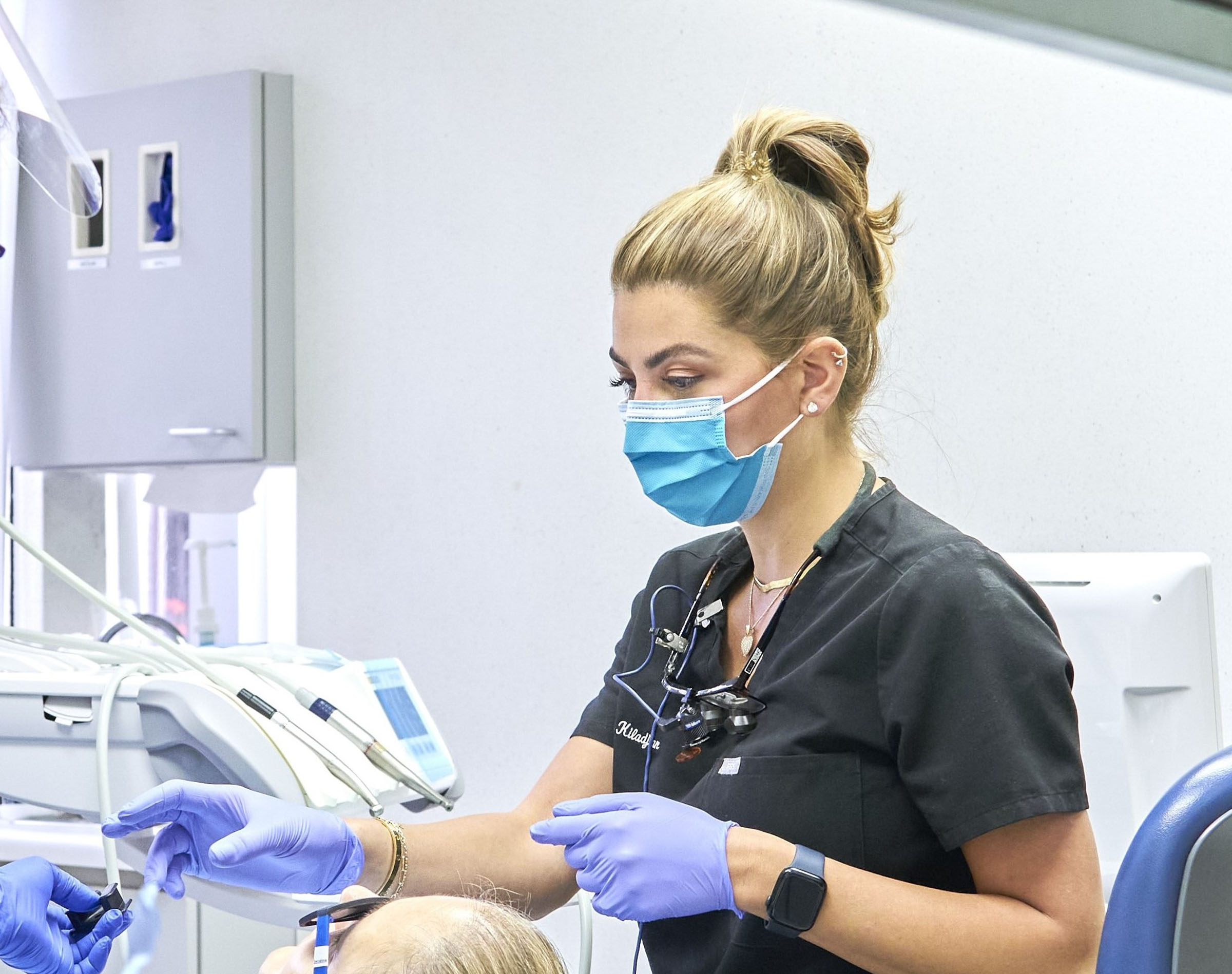
About the Reviewer: Dr. Talar Kiladjian, DMD
- Doctorate of Dental Medicine, Boston University School of Dental Medicine
- Master's in Oral Health Sciences, Boston University School of Medicine
- Certified Invisalign provider; trained in CEREC same-day restorative technology
- Member: American Dental Association, Massachusetts Dental Society