
Scroll through social media for five minutes, and you’ll likely encounter someone confidently dispensing dental health tips. From oil pulling to activated charcoal toothpaste, the internet is awash with supposed miracle cures and quick fixes for everything from whitening teeth to preventing cavities. While some of this advice is harmless, much of it ranges from ineffective to downright dangerous. Here’s why you should think twice before following that viral dental trend.
The Algorithm Doesn’t Care About Your Teeth
Social media platforms prioritize engagement over accuracy. A dramatic before-and-after photo or a shocking claim gets views, shares, and comments, regardless of whether the information is scientifically sound. That influencer with the million followers and perfect smile? They’re likely not a dental professional, and their gleaming teeth might owe more to professional treatments and filters than to the lemon juice rinse they’re promoting.
The problem is that misinformation spreads just as easily, if not more easily, than accurate advice. A confident tone and a satisfying video can make a harmful trend look completely credible.
Common Culprits and Their Risks
Take activated charcoal toothpaste, for instance. While it might remove surface stains initially, it’s also highly abrasive and can wear down your enamel, the protective outer layer of your teeth that doesn’t regenerate. Once enamel is gone, it’s gone forever, leaving your teeth vulnerable to sensitivity, decay, and discoloration.
Or consider the trend of using hydrogen peroxide or baking soda concoctions as DIY whitening treatments. While dentists do use peroxide-based products in controlled concentrations, unsupervised at-home use can irritate gums and damage enamel with repeated exposure.
The Real Cost of Bad Advice
Following questionable dental advice can have serious consequences. Damaged enamel leads to increased sensitivity and higher cavity risk. Aggressive whitening methods can cause permanent gum recession. Delaying proper dental care in favor of home remedies can allow minor issues to escalate into major problems requiring extensive, expensive treatment.
Perhaps most concerning is when viral advice discourages people from seeking professional care. No amount of coconut oil pulling replaces a professional cleaning that catches problems while they’re still small.
A Better Approach
The fundamentals of good oral health aren’t exciting enough to go viral, but they work: brush twice daily with fluoride toothpaste, floss regularly, limit sugary foods and drinks, and see your dentist for routine checkups. If you’re curious about a trending dental product or technique, ask your dentist before trying it.
Your smile is worth protecting with evidence-based care, not internet experimentation. Before you follow that viral dental hack, remember that your teeth can’t be un-damaged the way a bad haircut grows out.
Frequently Asked Questions About Viral Dental Trends
Is oil pulling actually good for my teeth?
There isn’t strong scientific evidence that oil pulling improves oral health beyond what regular brushing and flossing already achieve, and it shouldn’t replace those basics.
Can activated charcoal toothpaste really damage my teeth?
Yes. Activated charcoal is abrasive and can wear down tooth enamel over time, which doesn’t regenerate once it’s gone, potentially increasing sensitivity and decay risk.
How do I know if a dental tip I saw online is safe to try?
Ask your dentist before trying any trending product or technique, especially anything involving abrasive ingredients, acids, or unsupervised whitening treatments.
Are DIY whitening remedies like baking soda safe?
Occasional use may be low-risk for some people, but repeated or aggressive use of DIY whitening mixtures can irritate gums and wear down enamel, so professional whitening is generally the safer route.
What are the actual fundamentals of good oral health?
Brushing twice daily with fluoride toothpaste, flossing daily, limiting sugary foods and drinks, and keeping up with routine dental checkups remain the most reliable foundation for oral health.
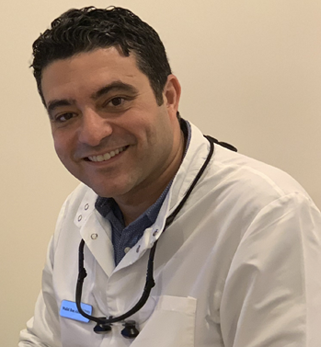
About the Reviewer: Dr. Walid Benaissa, DMD
- Doctorate of Dental Medicine, Tufts University School of Dental Medicine (2004)
- Advanced training via the Maxicourse at NYU College of Dentistry — occlusion, implant restoration, full-mouth reconstruction
- Member: American Dental Association, Massachusetts Dental Society, American Academy of Group Dental Practices, The Dawson Academy
- Founder of Newton Smile Centre (2010)
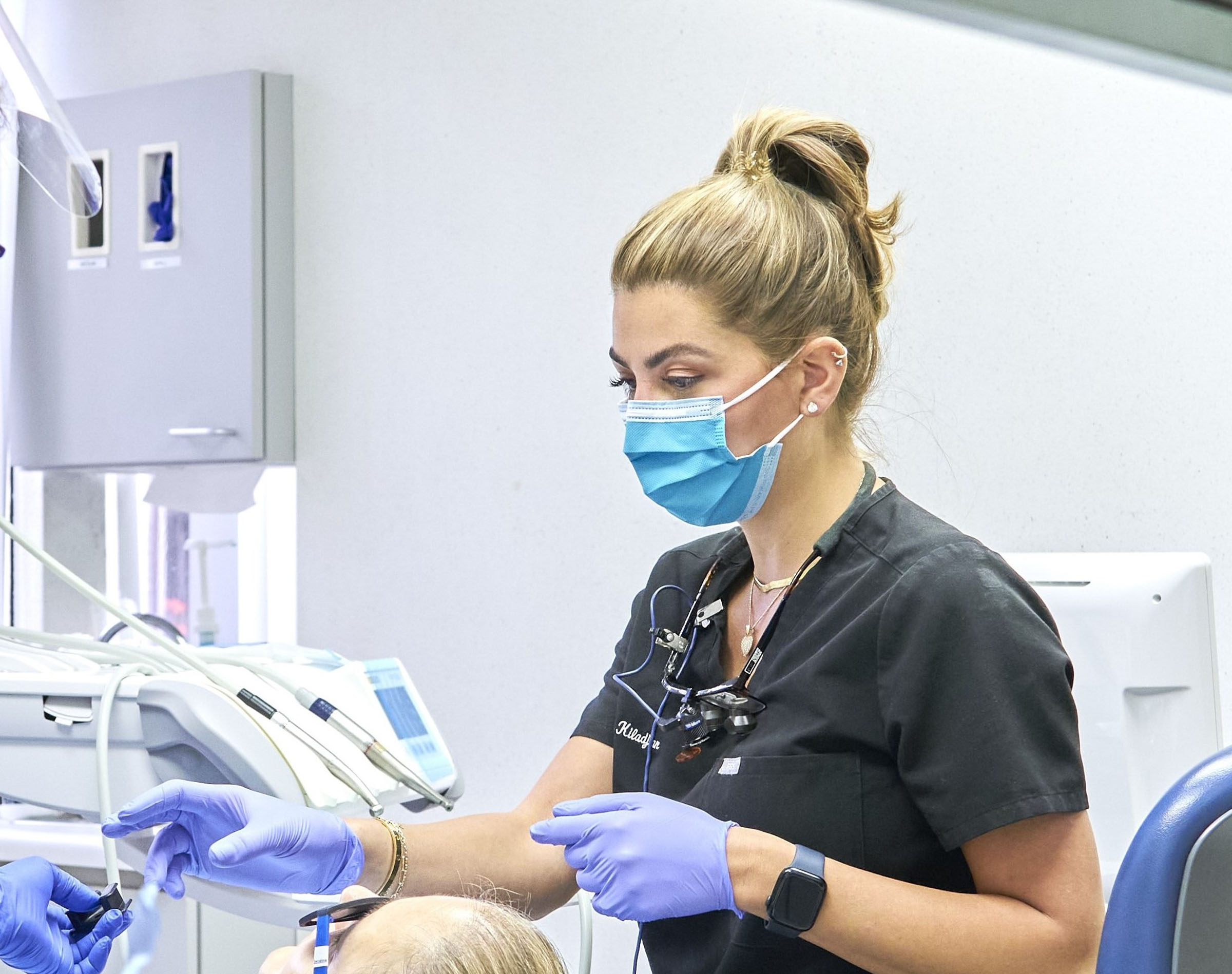
About the Reviewer: Dr. Talar Kiladjian, DMD
- Doctorate of Dental Medicine, Boston University School of Dental Medicine
- Master's in Oral Health Sciences, Boston University School of Medicine
- Certified Invisalign provider; trained in CEREC same-day restorative technology
- Member: American Dental Association, Massachusetts Dental Society