

Walk down any pharmacy aisle and you’ll find dozens of toothpaste options making bold claims: whitening, sensitivity relief, charcoal detox, natural ingredients, prescription-strength protection. The variety can feel overwhelming, especially when you’re not sure which claims are backed by science and which are mostly marketing. The right toothpaste for you depends on your specific oral health situation, and a few simple criteria can make the choice much clearer.
At Newton Smile Centre, we help patients in Newton, Brookline, and the greater Boston area make confident choices about their daily oral hygiene routine. A consistent home routine, paired with regular professional cleanings, forms the foundation of lasting dental health.
Start with the ADA Seal of Acceptance
The first thing to look for on any toothpaste is the American Dental Association (ADA) Seal of Acceptance. The ADA Seal appears on products that have been independently evaluated and found to be safe and effective for their stated purpose. Products earn the seal by submitting clinical evidence demonstrating that they work as labeled, using ingredients at appropriate concentrations. If a toothpaste does not carry the ADA Seal, there is less assurance that it meets established safety and effectiveness standards.
Fluoride Is the Most Important Active Ingredient
Fluoride works by remineralizing weakened enamel and making teeth more resistant to acid attacks from bacteria. Virtually all dentist-recommended toothpastes contain fluoride, and the American Dental Association recommends fluoride toothpaste for adults and for children over the age of two. Without fluoride, toothpaste provides cleaning through abrasion alone, without the remineralizing protection against cavities.
Sodium Fluoride and Stannous Fluoride
Most toothpastes contain one of two forms of fluoride. Sodium fluoride (NaF) is the most common and well-studied form, found in standard cavity-protection toothpastes. Stannous fluoride (SnF2) has anti-cavity properties and also provides antibacterial benefits, making it particularly useful for people prone to gum inflammation or bleeding. Some sensitivity toothpastes have shifted to stannous fluoride because of its ability to block the small channels in dentin that transmit temperature and pressure sensations to the nerve. Our professional fluoride treatments can supplement the fluoride you get from toothpaste, especially during periods of higher cavity risk.
Whitening Toothpastes
Whitening toothpastes work through two main mechanisms: mild abrasives that polish surface stains, and low concentrations of peroxide that help break down external discoloration. They are effective on surface stains caused by coffee, tea, or tobacco, but they cannot change the natural color of your teeth or address deeper intrinsic staining. Using an ADA-approved whitening toothpaste twice daily may produce subtle improvements over several weeks. For results that go further, our professional teeth whitening treatments offer significantly faster and more noticeable outcomes.
One note for anyone wearing braces: avoid whitening toothpastes during orthodontic treatment. Whitening only affects the exposed tooth surface, which can lead to uneven coloration once the brackets are removed.
Toothpastes for Sensitive Teeth
Sensitivity toothpastes use one of two approaches to reduce discomfort. Potassium nitrate works by calming the nerve fibers inside the tooth over time, reducing their responsiveness to temperature or pressure changes. Stannous fluoride works by sealing the small openings in the dentin layer, physically blocking the pathway that carries sensation to the nerve. Both approaches require consistent daily use over several weeks before the full benefit is felt. If over-the-counter sensitivity toothpaste does not provide enough relief, prescription-strength options are available and worth discussing at your next visit.
What About Charcoal and Natural Toothpastes?
Activated charcoal toothpaste has gained popularity as a natural whitening option, but the evidence supporting its safety and effectiveness is limited. Charcoal is highly abrasive, which can remove some surface stains but may also scratch and wear down enamel over time. Most charcoal toothpastes also do not contain fluoride, which means they provide no remineralizing protection against cavities. Until more research supports their long-term safety profile, most dental professionals recommend avoiding charcoal toothpaste as a daily option. The same caution applies to aloe vera or herbal formulas that omit fluoride from their ingredient lists.
Choosing Toothpaste for Children
Children need fluoride toothpaste just as adults do, but the concentration and amount used varies by age. Children under three should use only a smear of fluoride toothpaste, roughly the size of a grain of rice. From ages three to six, a pea-sized amount is appropriate. Supervision should continue until the child reliably spits rather than swallows. Look for a flavor your child enjoys, since a toothpaste they like makes it easier to build a consistent brushing habit. Regular dental visits can include additional fluoride protection as part of a preventive plan tailored to your child’s needs.
When to Ask Your Dentist
If you are managing specific conditions such as dry mouth, frequent cavities, gum disease, or significant sensitivity, a general-purpose toothpaste may not be the most effective choice for your situation. Your dentist can recommend a formulation matched to your actual oral health needs rather than a one-size-fits-all product. We are happy to discuss toothpaste and oral hygiene products at any appointment. Contact our office to schedule a visit or bring your questions to your next cleaning at Newton Smile Centre.
Frequently Asked Questions About Choosing the Right Toothpaste
Does it matter which brand of toothpaste I use?
Brand matters less than ingredients. What matters most is that the toothpaste contains fluoride and carries the ADA Seal of Acceptance. Beyond those two criteria, the right choice depends on your specific needs: sensitivity relief, whitening, gum health, or cavity protection. If you have ongoing oral health concerns, asking your dentist for a specific recommendation is more useful than choosing by brand recognition alone.
Is fluoride in toothpaste safe?
Yes. Fluoride at the concentrations found in commercially available toothpaste has been studied extensively and is considered safe for adults and children over two years old. The key for young children is using the recommended small amount and teaching them to spit rather than swallow. The ADA has endorsed fluoride toothpaste as a cornerstone of cavity prevention for decades, and its safety record at normal use levels is well established.
Can I use whitening toothpaste every day?
For most healthy adults, daily use of an ADA-approved whitening toothpaste is considered safe. The abrasive level in approved whitening toothpastes is regulated to a range that should not harm enamel with normal daily use. However, if you notice increased sensitivity after starting a whitening toothpaste, switching to a sensitivity formulation or alternating products is a reasonable adjustment to discuss with your dentist.
What is the difference between sensitivity toothpaste and regular toothpaste?
Sensitivity toothpastes contain additional active ingredients, such as potassium nitrate or stannous fluoride, that target the nerve signaling or the physical pathways in dentin that transmit discomfort. Regular toothpastes focus on cavity prevention and cleaning without those added ingredients. Sensitivity toothpastes work best when used consistently and left in contact with the teeth after brushing, since rinsing immediately reduces their effectiveness.
Should children use a different toothpaste than adults?
Children under six should generally use a children’s fluoride toothpaste, which comes in age-appropriate flavors that make brushing more appealing and typically contains a lower fluoride concentration than adult formulas. Children ages six and older can usually use adult toothpaste in age-appropriate amounts. The most important factor for any age is using a fluoride toothpaste, brushing twice daily, and supervising young children to make sure they are spitting rather than swallowing.

About the Reviewer: Dr. Walid Benaissa, DMD
- Doctorate of Dental Medicine, Tufts University School of Dental Medicine (2004)
- Advanced training via the Maxicourse at NYU College of Dentistry — occlusion, implant restoration, full-mouth reconstruction
- Member: American Dental Association, Massachusetts Dental Society, American Academy of Group Dental Practices, The Dawson Academy
- Founder of Newton Smile Centre (2010)
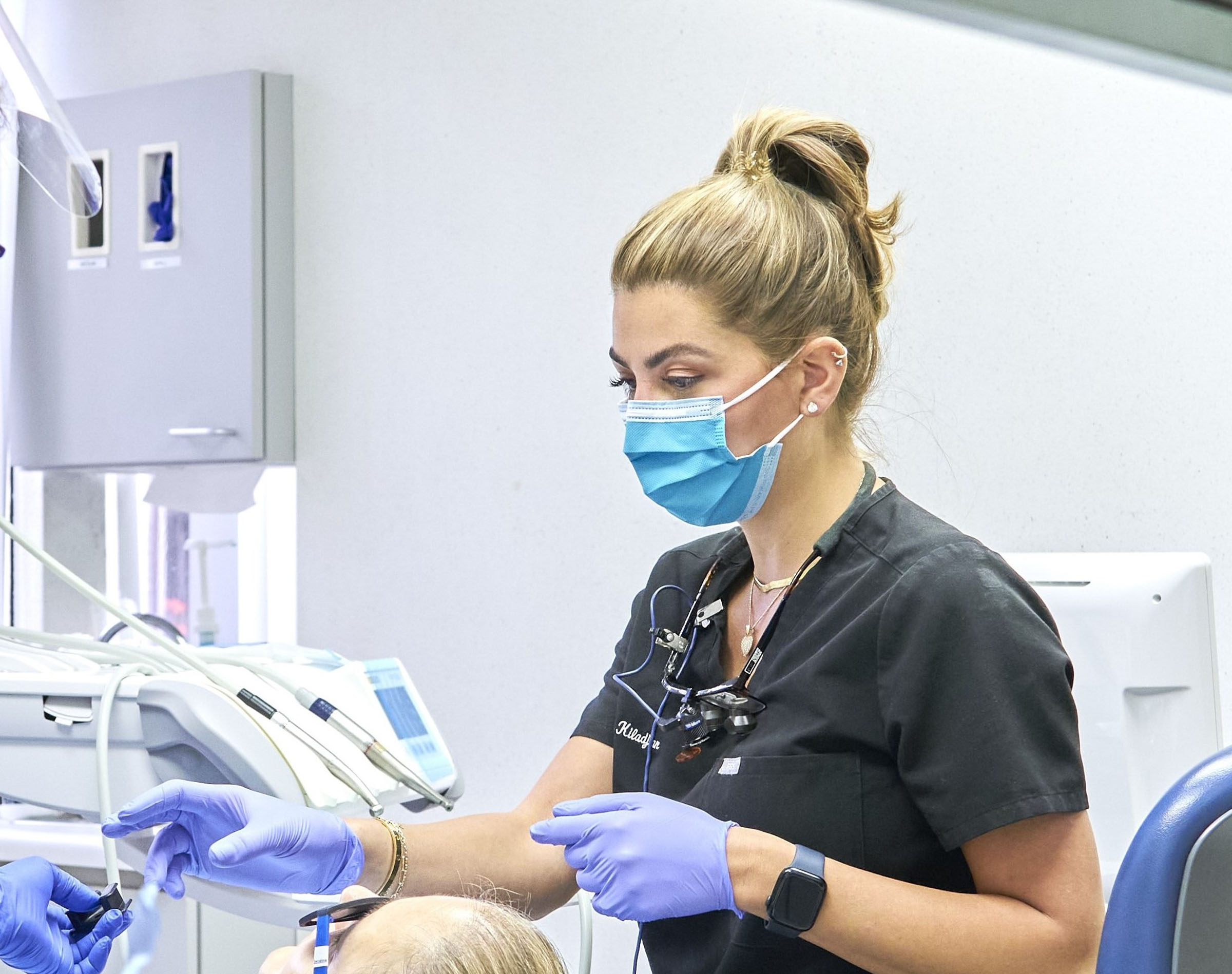
About the Reviewer: Dr. Talar Kiladjian, DMD
- Doctorate of Dental Medicine, Boston University School of Dental Medicine
- Master's in Oral Health Sciences, Boston University School of Medicine
- Certified Invisalign provider; trained in CEREC same-day restorative technology
- Member: American Dental Association, Massachusetts Dental Society