
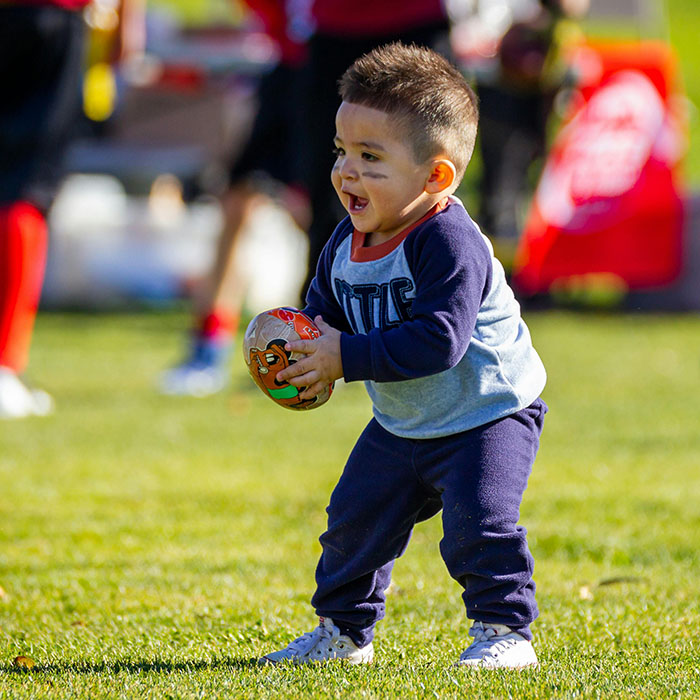
Minimizing the risk of childhood tooth injuries starts with knowing the most common causes of those injuries. Babies and toddlers are most likely to injure themselves by slipping in the bathtub, so non-slip mats are a great precaution. Projectiles like balls and frisbees can easily cause injuries, so make sure to discuss safety and not aiming at anyone’s head. Hard playground equipment can also be a hazard, so extra care should be taken, and older kids playing contact sports should always wear a properly fitted mouthguard.
Common Causes by Age Group
The way children get hurt tends to shift as they grow. Infants and toddlers are most at risk from falls while learning to walk, bathtub slips, and bumping into furniture at mouth height. School-age kids face more risk from playground equipment, bicycles, and organized sports. Teenagers are more likely to be injured during contact sports or from bike and skateboard falls, which is why mouthguards become especially important once kids start playing competitively.
Make a Plan in Case of Accidents
Sometimes accidents happen even when we’re being careful, and having an emergency plan is a great way to prepare. Step one of any plan is not to panic. Make a calm assessment of the situation. If an adult tooth is knocked out, try to put it back in the socket. If that isn’t possible, store it in cold milk, but either way, get straight to the dentist. That will give us the best chance of replanting the tooth. Make sure not to touch the root, and don’t try to clean it or store it in ice.
If it’s a baby tooth that’s knocked out, don’t try to reinsert it, since doing so can damage the developing permanent tooth underneath. Still call the dentist so we can check for any other injury to the mouth or jaw.
Maintain Healthy Habits
Healthy teeth are harder to injure, which is one more reason to make good daily oral hygiene habits a big priority. That means daily flossing and twice-daily brushing. Teeth weakened by decay are more prone to chipping or breaking during a fall or impact that a healthy tooth might withstand without damage.
The Dentist Is Your Best Resource
We want to make sure our patients, and the parents of our youngest patients, have all the information they need to make wise decisions and take informed action when it comes to tooth injuries. If you have any questions about how to make the environment around your child safer for their smile, let us know. We’re happy to help, and if your child does experience a dental emergency, review our guide on protecting teeth from everyday habits for more ways to keep their smile strong between visits.
Thank you for making us your partner in lifelong oral health.
Frequently Asked Questions About Childhood Tooth Injuries
Should I try to put a knocked-out baby tooth back in place?
No. Reinserting a baby tooth can damage the developing permanent tooth underneath. Still call the dentist so the mouth and jaw can be checked for other injuries.
What should I do if my child’s permanent tooth gets knocked out?
Try to reinsert it into the socket if possible. If that isn’t possible, store it in cold milk and get to the dentist immediately, without touching the root or cleaning it.
At what age are children most likely to injure their teeth?
Risk shifts with age: toddlers are prone to falls while learning to walk, school-age kids face more playground and bike-related injuries, and teens see more injuries from contact sports.
Do mouthguards really make a difference for young athletes?
Yes. A properly fitted mouthguard significantly reduces the risk of chipped, cracked, or knocked-out teeth during contact sports and should be standard equipment for young athletes.
Can decayed teeth be more likely to break during an injury?
Yes. Teeth weakened by decay are more prone to chipping or breaking on impact, which is one more reason consistent brushing and flossing matters for injury prevention, not just cavity prevention.
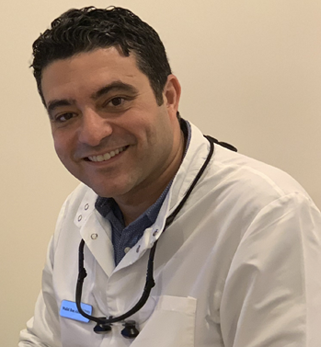
About the Reviewer: Dr. Walid Benaissa, DMD
- Doctorate of Dental Medicine, Tufts University School of Dental Medicine (2004)
- Advanced training via the Maxicourse at NYU College of Dentistry — occlusion, implant restoration, full-mouth reconstruction
- Member: American Dental Association, Massachusetts Dental Society, American Academy of Group Dental Practices, The Dawson Academy
- Founder of Newton Smile Centre (2010)
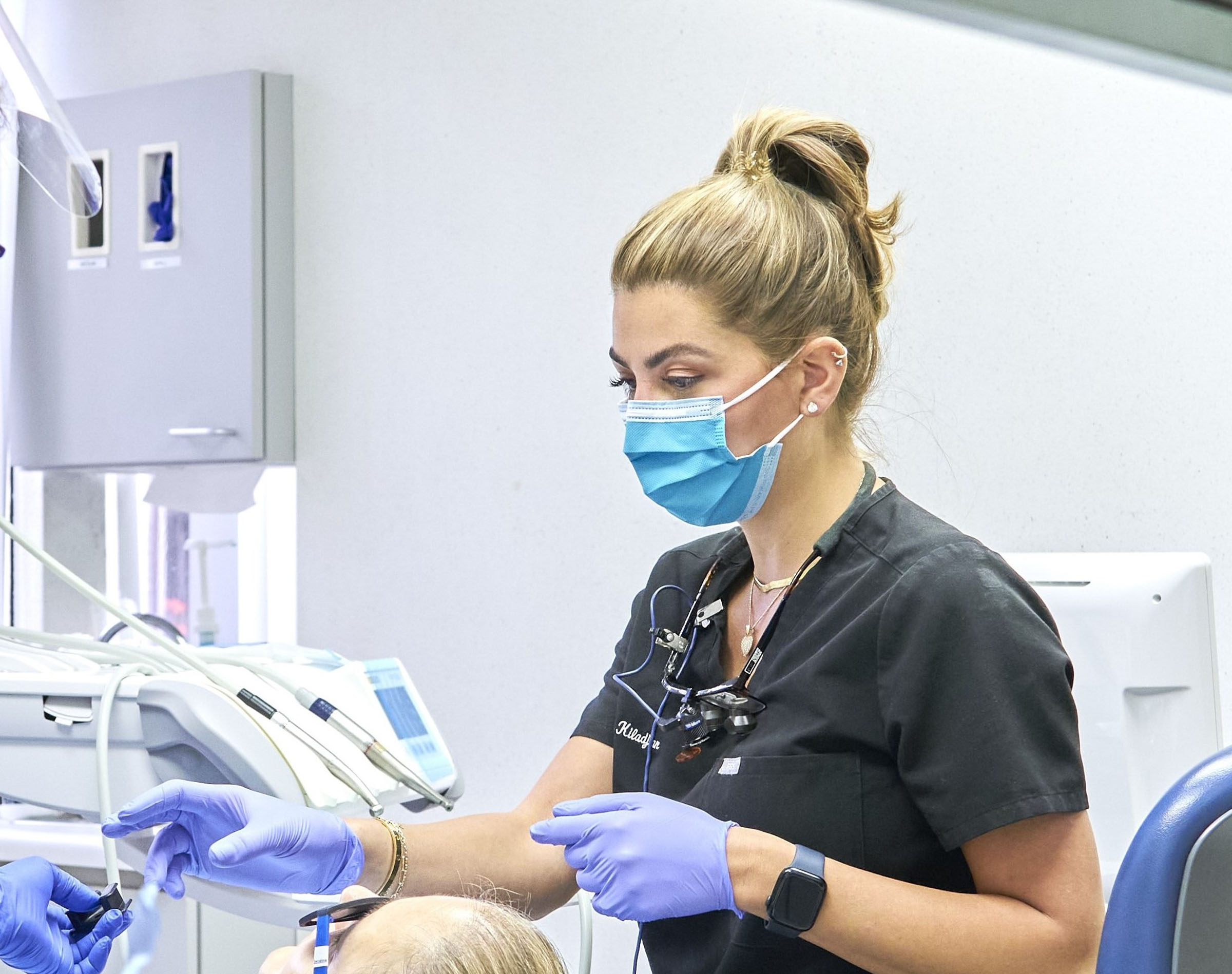
About the Reviewer: Dr. Talar Kiladjian, DMD
- Doctorate of Dental Medicine, Boston University School of Dental Medicine
- Master's in Oral Health Sciences, Boston University School of Medicine
- Certified Invisalign provider; trained in CEREC same-day restorative technology
- Member: American Dental Association, Massachusetts Dental Society