
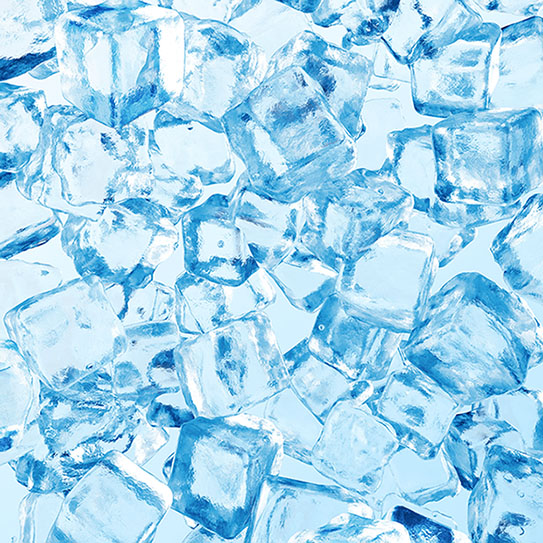
It may seem harmless, crunching on the leftover ice cubes at the bottom of your drink, but chewing ice is one of the most damaging habits for your teeth. Many people do it out of boredom or as a way to cool down, and some even find it satisfying. However, what might feel like a harmless treat can actually lead to serious dental problems over time. Here’s why chewing ice is bad for your dental health and what you can do instead.
The Hidden Dangers of Chewing Ice
- It Can Crack or Chip Your Teeth: Tooth enamel is the hardest substance in your body, but it’s not invincible. Ice is rigid and unforgiving, and biting down on it can lead to cracks or chips in your teeth. Even if you don’t feel any immediate pain, small fractures can form and worsen over time, eventually requiring restorative treatment like crowns or bonding.
- It Wears Down Enamel: Repeatedly chewing hard substances like ice can gradually wear down enamel, the protective outer layer of your teeth. Once enamel is lost, it doesn’t grow back, leaving teeth more vulnerable to sensitivity and decay.
- It Can Damage Existing Dental Work: If you have fillings, crowns, or bridges, chewing ice puts extra stress on these restorations and can cause them to crack, loosen, or come out entirely.
- It Can Irritate Your Gums: Sharp edges from cracked ice can also cut or irritate the soft tissue of your gums and cheeks.
Healthier Alternatives to Ice Chewing
If you find yourself chewing ice out of habit, here are some safer alternatives that can help you break the cycle:
- Let the Ice Melt on Your Tongue: If you must have ice, let it melt on your tongue instead of chewing it to keep the extreme cold a little farther from your teeth.
- Cold Snacks: Try frozen grapes, cold carrot sticks, or apple slices from the fridge. They satisfy the crunch without the danger.
- Sugar-Free Gum: Chewing gum can help satisfy the need to chew and may even help clean your teeth by increasing saliva flow.
- Hydration: If you chew ice because you’re thirsty, increase your water intake throughout the day instead.
Chewing ice sometimes signals an iron deficiency called pica, so if the urge feels compulsive or hard to control, it’s worth mentioning to your doctor as well as your dentist.
Protect Your Smile by Skipping the Crunch
While chewing ice might seem like a harmless habit, the risks to your dental health are significant. From cracked teeth and damaged enamel to broken fillings and irritated gums, it’s just not worth it. If you’ve already noticed wear or damage from ice chewing, don’t wait: schedule a dental checkup to catch issues early. And if the habit is hard to break, talk to your dentist about ways to protect your teeth while finding a safer substitute.
Your smile will thank you. Learn more about protecting young smiles in our post on preventing childhood tooth injuries.
Frequently Asked Questions About Chewing Ice
Why do I crave chewing ice so much?
A strong urge to chew ice, known as pagophagia, is sometimes linked to iron deficiency anemia, so it’s worth mentioning to your doctor if the craving feels compulsive.
What should I do if I think I’ve already cracked a tooth from chewing ice?
Schedule a dental exam as soon as possible. Small cracks can worsen over time, and catching them early can mean simpler, less costly treatment.
Is chewing ice worse than chewing hard candy?
Both can damage teeth, but ice is especially risky because of how rigid and cold it is, which can cause sudden cracks even in otherwise healthy teeth.
Can chewing ice damage a crown or filling?
Yes. The extra pressure from biting ice can crack, loosen, or dislodge existing dental work, sometimes requiring repair or replacement.
Is it safe to let ice melt in my mouth instead of chewing it?
Letting ice melt on your tongue is a much safer way to enjoy the cold sensation without putting direct biting pressure on your teeth.
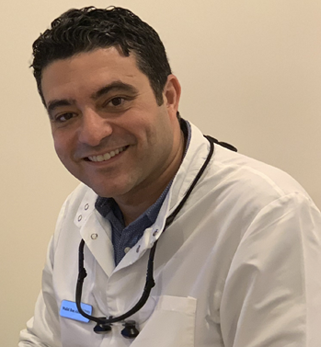
About the Reviewer: Dr. Walid Benaissa, DMD
- Doctorate of Dental Medicine, Tufts University School of Dental Medicine (2004)
- Advanced training via the Maxicourse at NYU College of Dentistry — occlusion, implant restoration, full-mouth reconstruction
- Member: American Dental Association, Massachusetts Dental Society, American Academy of Group Dental Practices, The Dawson Academy
- Founder of Newton Smile Centre (2010)
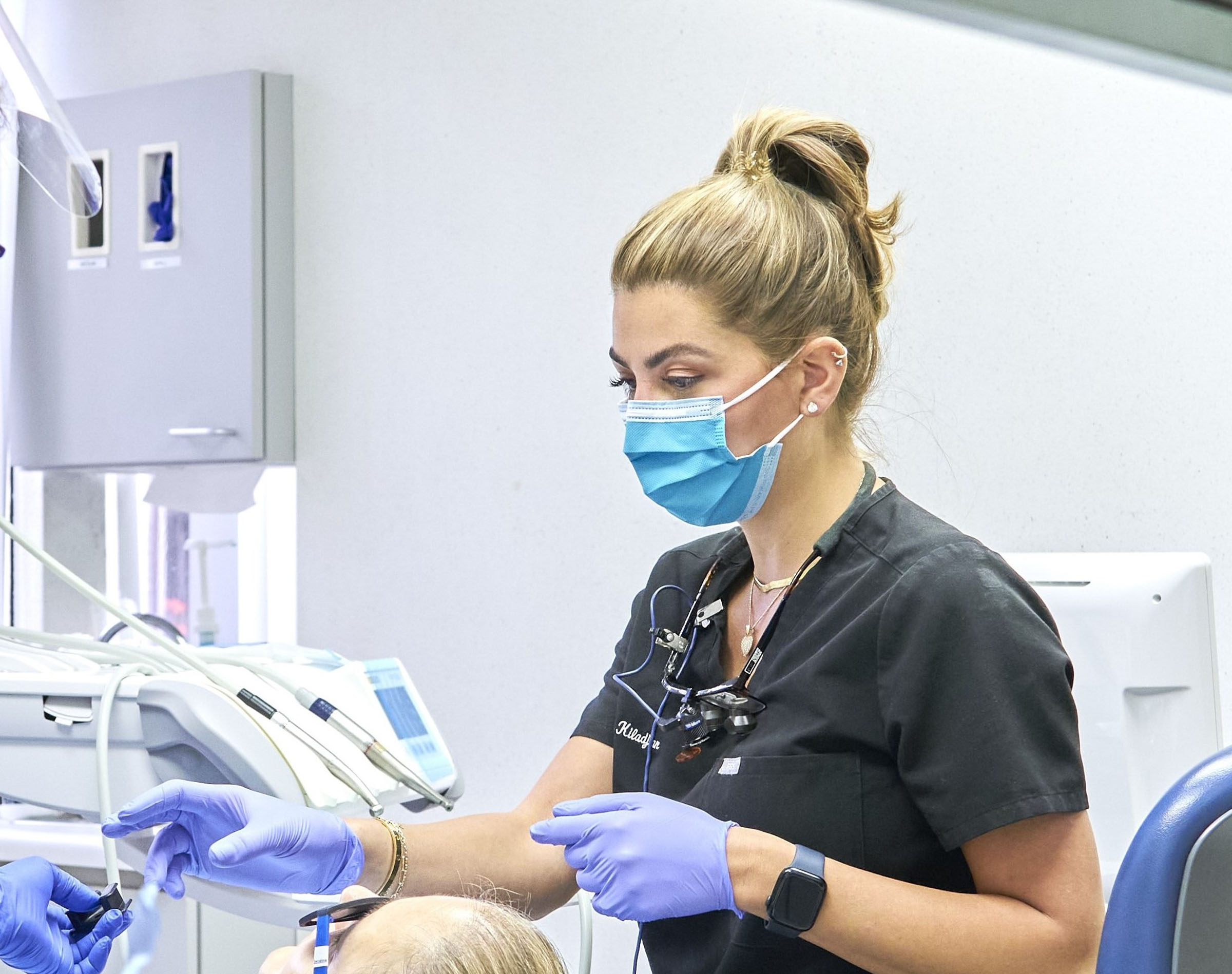
About the Reviewer: Dr. Talar Kiladjian, DMD
- Doctorate of Dental Medicine, Boston University School of Dental Medicine
- Master's in Oral Health Sciences, Boston University School of Medicine
- Certified Invisalign provider; trained in CEREC same-day restorative technology
- Member: American Dental Association, Massachusetts Dental Society