

Picture yourself leaning toward the mirror, studying a small chip or gap on a front tooth, and wondering if a gentler, lower-cost fix could still look polished. For many people, composite veneers can be a good alternative to porcelain, especially when you want a conservative change, though porcelain may last longer and hold up better against stains.
At Newton Smile Centre, we help patients across Newton and Greater Boston weigh their dental veneers options with a clear, honest view of what each material can do. Dr. Walid Benaissa, Dr. Talar Kiladjian, and our team take time to talk through each option, so your decision feels informed rather than rushed. Our boutique, homey office keeps those conversations relaxed.
How Composite and Porcelain Veneers Compare
Both materials cover the front of a tooth, but they are made and finished differently. Composite is a tooth-colored resin that is shaped and hardened directly on the tooth, so changes can often be finished in one visit. Porcelain is a thin ceramic shell made to fit over the tooth. Think of composite as a hardwood floor finish: it looks warm and natural, it can be refreshed, and it shows everyday wear sooner. Porcelain acts more like glazed tile, which keeps its shine for longer.
Research gives composite a fair shot. In a randomized clinical trial of 28 patients who had gaps closed between their upper front teeth, composite and ceramic veneers showed similar survival rates after two years, at 93.4 and 95 percent. The composite veneers did show more staining and roughness, though. Two years is a short window, and a recent clinical study found that ceramic veneers held up best against fracture and discoloration.
What to Weigh Before You Choose
Material is only part of the decision, so it helps to compare how each option fits your goals, habits, and budget. We show you everything we see and stay open about your dental health, much as we would with family, so you can weigh both materials with full information. Here are the points that tend to matter most.
- Cost: composite usually carries a lower price tag, which may help if you want to plan changes in stages.
- Tooth preservation: composite often needs little to no enamel removal, while porcelain usually involves reshaping some enamel first.
- Staining: composite is more porous than porcelain, so coffee, tea, and red wine may dull it sooner.
- Repairs: a small chip in composite can often be polished or patched, while a damaged porcelain veneer may need to be replaced.
- Longevity: porcelain generally lasts longer, so it may offer better value over time.
No single factor decides the outcome, so the best fit usually comes down to which of these matter most to you.
Who May Be a Good Fit for Composite Veneers?
Composite may suit you if you have minor chips, small gaps, or mild shape concerns and prefer a conservative approach. It can also work as a lower-commitment first step, since you can often move to porcelain later. A very small change on a single tooth may only call for dental bonding, while changes across several teeth often call for a fuller veneer plan.
Porcelain may be the stronger match if long-term color stability matters most or you are changing many teeth at once. Because veneers do not lighten the way natural enamel does, many patients brighten their natural teeth with in-office teeth whitening first and then match the veneer shade to that result. The way veneers work also matters, since each one bonds to the front of a tooth that needs to be healthy, so any decay or gum concerns may need attention first.
Talk With Newton Smile Centre About Your Veneer Options
Composite veneers can be a strong alternative to porcelain when you want a conservative, budget-friendly change with easy touch-ups, while porcelain may fit best when long-term color stability matters most. At Newton Smile Centre, our close-knit team has worked together for a long time, and we treat patients like family, right down to the coffee or tea we make while you wait. We also offer Cherry 0% financing for cosmetic cases, which may help you plan a smile makeover with more confidence.
Dr. Walid Benaissa earned his doctorate from Tufts University School of Dental Medicine in 2004 and completed the Maxicourse at New York University, which broadened his experience with occlusion, or how teeth fit together when you bite. Dr. Talar Kiladjian earned her doctorate from Boston University School of Dental Medicine. If you are ready to compare composite and porcelain for your own smile, schedule a visit with our team and we can walk you through your options.

About the Reviewer: Dr. Walid Benaissa, DMD
- Doctorate of Dental Medicine, Tufts University School of Dental Medicine (2004)
- Advanced training via the Maxicourse at NYU College of Dentistry — occlusion, implant restoration, full-mouth reconstruction
- Member: American Dental Association, Massachusetts Dental Society, American Academy of Group Dental Practices, The Dawson Academy
- Founder of Newton Smile Centre (2010)
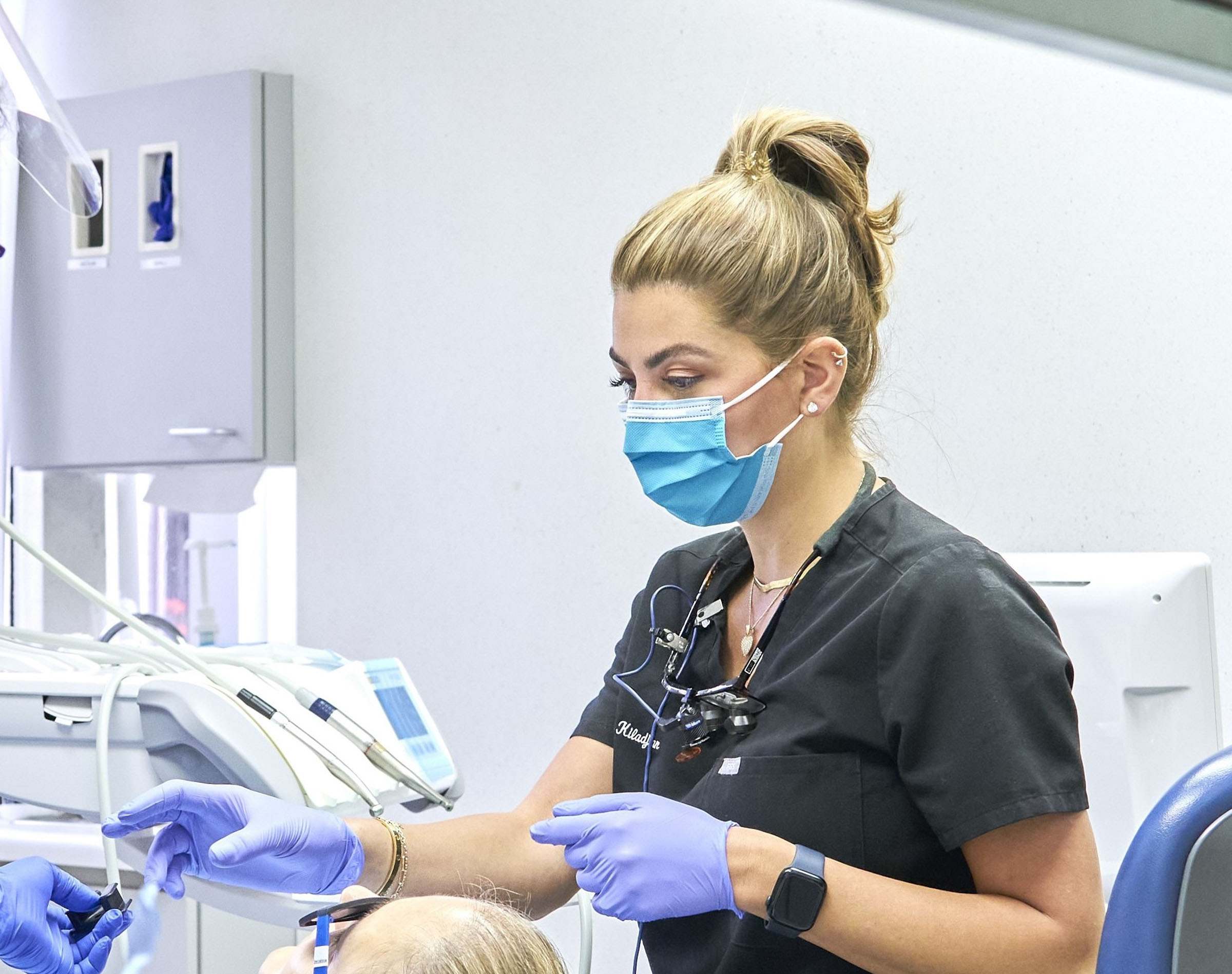
About the Reviewer: Dr. Talar Kiladjian, DMD
- Doctorate of Dental Medicine, Boston University School of Dental Medicine
- Master's in Oral Health Sciences, Boston University School of Medicine
- Certified Invisalign provider; trained in CEREC same-day restorative technology
- Member: American Dental Association, Massachusetts Dental Society