
We hear a lot of the same questions from patients and parents of patients, so let’s wrap up the year by answering a few of the most common ones.
#1: My tooth doesn’t hurt, so why do I need a filling?
Cavities aren’t always painful. They form when tooth enamel is eroded away until a hole forms. As the hole gets deeper, it can reach the dentin and even the pulp chamber at the center of the tooth, but in the early stages, they usually don’t hurt. While the best option is preventing a cavity from forming at all, it’s much better to treat a cavity before it hurts than to let it reach that point. By then, a filling alone might not be enough.
#2: How important is it to keep baby teeth healthy?
Just because baby teeth are temporary doesn’t mean they don’t serve an important purpose. Kids need them to speak clearly, chew effectively, and master the lifelong brushing and flossing habits that will protect their adult teeth. Baby teeth also hold the space for permanent teeth, so losing one too early can lead to alignment problems down the road.
#3: Should I be worried about the effect of pacifiers and thumbsucking on my child’s teeth?
Pacifier use and thumbsucking can contribute to problems, but not when the child is very young. Babies and toddlers often find these habits comforting, and most grow out of them on their own. If a child shows no sign of stopping by around age three, it’s worth considering strategies for gently discouraging the habit. We’re happy to help find the right approach for your child.
#4: How often should my child really see the dentist?
Most children benefit from a checkup every six months, similar to adults, though your dentist may recommend more frequent visits if your child has a higher risk of cavities or other concerns. Regular visits help catch small issues early, before they require more involved treatment.
Did We Miss Your Top Question?
When our patients are educated about their teeth and gums, they’re more empowered to stay in control of their dental health. If you have any questions we didn’t cover here, make sure to ask at your next appointment. For a related topic, see our article on answers to common dental questions.
Frequently Asked Questions About Common Dental Concerns
At what age should thumbsucking become a concern?
Concern typically becomes appropriate around age three if the habit hasn’t started tapering off on its own, since prolonged sucking habits can begin affecting tooth and jaw alignment.
Can a painless cavity really need treatment?
Yes. Many cavities are painless in their early stages, which is exactly why routine checkups and X-rays matter, catching decay before it progresses to something more painful and involved. Our team provides first-visit exams in Newton.
Do baby teeth really affect adult teeth?
Yes. Baby teeth hold space for permanent teeth, and premature loss can allow neighboring teeth to shift, sometimes creating alignment problems for the adult teeth coming in.
Is it normal for kids to be nervous about dental visits?
Yes, this is common. A comfortable, kid-friendly practice environment and open communication about what to expect can go a long way toward easing that nervousness over time.
What if my question isn’t a “common” one?
No question is too small. Bringing it up at your next appointment ensures you get accurate, personalized guidance rather than relying on general information alone.
The content on this blog is not intended to be a substitute for professional medical advice, diagnosis, or treatment. Always seek the advice of qualified health providers with questions you may have regarding medical conditions.
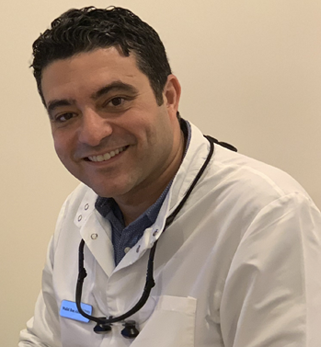
About the Reviewer: Dr. Walid Benaissa, DMD
- Doctorate of Dental Medicine, Tufts University School of Dental Medicine (2004)
- Advanced training via the Maxicourse at NYU College of Dentistry — occlusion, implant restoration, full-mouth reconstruction
- Member: American Dental Association, Massachusetts Dental Society, American Academy of Group Dental Practices, The Dawson Academy
- Founder of Newton Smile Centre (2010)
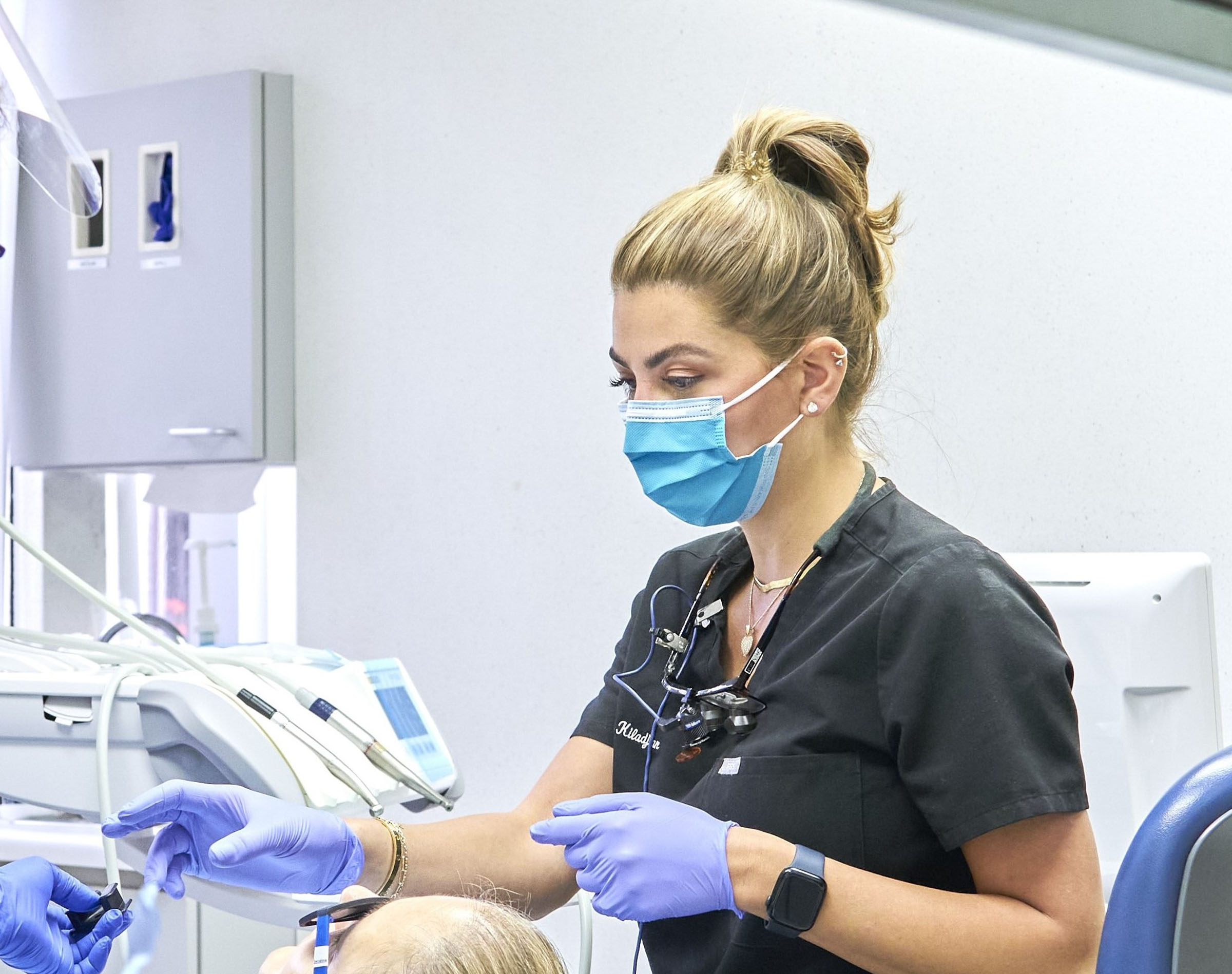
About the Reviewer: Dr. Talar Kiladjian, DMD
- Doctorate of Dental Medicine, Boston University School of Dental Medicine
- Master's in Oral Health Sciences, Boston University School of Medicine
- Certified Invisalign provider; trained in CEREC same-day restorative technology
- Member: American Dental Association, Massachusetts Dental Society