

Did you know that good oral hygiene extends beyond your daily brushing and routine dentist appointments? What you eat can have a major impact on your teeth and gums for the better or the worse. A thoughtful preventive dentistry routine includes both what happens in the dental chair and what ends up on your plate. While much of the emphasis on food and oral health is about what to avoid (i.e. sugar, candy, and soft drinks), there are also foods that can be beneficial for your smile!
Read on to learn about the best foods and drinks for healthy teeth and gums so you can start incorporating more into your and your family’s meal plan.
10 of The Best Foods For Your Teeth
Remember that everyone’s oral health is different, and like with any food, these are best enjoyed in moderation. These are a handful of the best foods for your teeth and what makes them so good for your oral health:
1. Apples
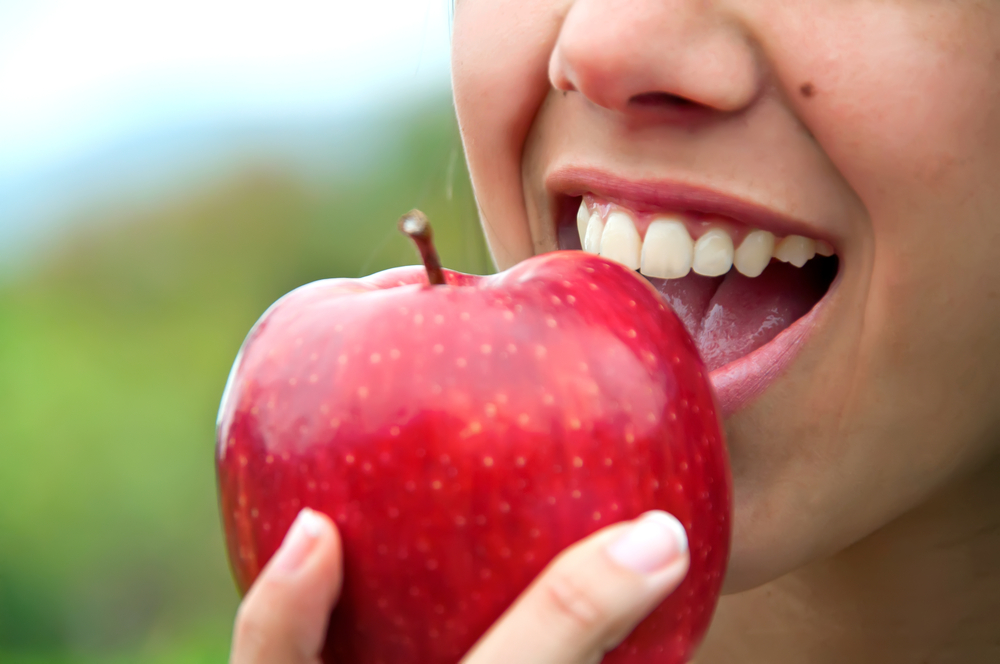
You’ve heard that an apple a day keeps the doctor away. Well, it can also keep your dentist happy! Apples can help to cleanse and clean your teeth naturally because they are fibrous. Additionally, the acidity of apples can also kill off the bacteria that cause bad breath!
2. Yogurt & Cheeses
Dairy products are great at encouraging your body to produce more saliva (which is essential for protecting your teeth). Also, these products are full of calcium that can strengthen your teeth. Of course, it’s important to choose yogurts, cheeses, and milk that are unsweetened for the maximum benefit.
3. Leafy Greens
Leafy greens like kale, spinach, and collard greens are chock-full of vitamins that help you produce saliva and keep your enamel healthy. Raw or plain vegetables are best, and you’ll want to avoid sugary dressings or toppings.
4. Green or Black Tea
The acidic properties of coffee can be harsh on your teeth. However, unsweetened green and black tea have been shown to have plaque-fighting ingredients.
5. Nuts
Nuts that are high in calcium and protein, like almonds, can help keep your teeth strong. They’re also low in sugar and make for a filling snack that can also help remove plaque from your teeth and gums.
6. Lean Meat
Lean red meat has many important nutrients that are vital to your overall health. Also, chewing meat produces saliva which decreases the acidity in your mouth and removes particles of food that lead to decay.
7. Crunchy Veggies (Carrots, Celery and More)
Crunchy veggies are some of the best foods for your teeth. From carrots and celery to broccoli and peppers, these fibrous snacks are great at removing plaque from your teeth and gums and are also all-around good for you!
8. Strawberries
These delicious summer berries have malic acid, which is a natural enamel whitener. For a brighter smile beyond what diet can offer, our professional teeth whitening treatments can take results much further. It’s best to avoid overindulging in acidic fruits like oranges and lemons and sticking to these berries when it comes to your oral health.
9. Fatty Fish
Like red meat, fatty fish contain phosphorus and protein that can help keep your teeth healthy. While all fish offer nutritional value, fatty fish like salmon often have the most nutrients.
10. Water
Of course, we can’t overlook how important water is to a healthy smile. Drinking enough water throughout the day is essential for the production of saliva and preventing food and plaque build-up while you eat. If your local tap water contains fluoride, you get the added benefit of natural fluoride protection with every sip.
While these are some of the best foods for your teeth, remember that other habits like brushing your teeth twice a day, flossing, and visiting your dentist are also important for your oral health. Ready for your next routine dental cleaning? Contact us today at Newton Smile Centre for more information on our services or easily book your appointment with us online.
Frequently Asked Questions About Foods and Drinks for Healthy Teeth
What foods are worst for your teeth?
Sugary and acidic foods are the biggest threats to your teeth. Candy, soft drinks, citrus juices, and sticky snacks like dried fruit cling to enamel and give cavity-causing bacteria a steady food source. Starchy foods like crackers and chips can also break down into sugars quickly. Limiting these and rinsing with water after eating can reduce the damage they cause between brushing sessions.
Can eating the right foods replace regular dental cleanings?
A tooth-healthy diet is a powerful complement to your oral hygiene routine, but it cannot replace professional dental cleanings. Tartar, which forms from hardened plaque, can only be removed by a dental professional with the right tools. Eating well supports your enamel and gum health between visits, while your regular cleaning keeps buildup from accumulating over time.
How does calcium in food help my teeth?
Calcium is the primary mineral that makes up tooth enamel and the bone structure supporting your teeth. Getting adequate calcium through dairy products, leafy greens, almonds, and sardines helps maintain the density and strength of both your teeth and jaw. When your diet is consistently low in calcium, the body may draw from bone reserves, which can weaken those structures over time.
Can certain foods naturally whiten teeth?
Some foods have mild whitening properties. Strawberries contain malic acid, which can polish surface stains. Crunchy foods like apples and celery act as natural scrubbers that remove light surface debris. These effects are subtle and work only on surface-level staining. For deeper discoloration or more noticeable results, professional teeth whitening treatments are far more effective.
Is fluoridated water good for my teeth?
Yes. Fluoride helps remineralize tooth enamel and makes it more resistant to acid attacks from bacteria. Most municipal tap water in the United States contains fluoride at levels recommended for dental health. Drinking tap water throughout the day provides low-level, continuous fluoride protection alongside your fluoride toothpaste. If you drink primarily bottled or filtered water, your dentist may recommend additional fluoride supplementation.