

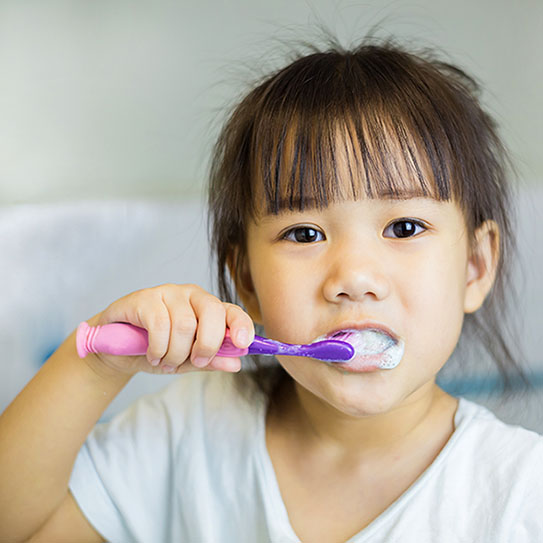
Encouraging children to take an active role in their dental health can set them up for a lifetime of healthy habits. One fun and effective way to engage your child in their oral care routine is by involving them in the process of choosing their own toothbrush. Here are some tips for parents on how to help your kids pick a great toothbrush, which can significantly influence their enthusiasm and effectiveness in daily brushing. Our family dentistry team in Newton, MA is always happy to offer age-appropriate recommendations at your child’s next visit.
Look for Child-Friendly Features
- Size Matters: The toothbrush should fit comfortably in your child’s mouth. Look for brushes labeled for specific age ranges as they are designed to accommodate smaller mouths and have softer bristles which are gentle on young gums and developing teeth.
- Soft Bristles: Choose a toothbrush with soft bristles to prevent irritation to the gums. Hard bristles can be too harsh for young enamel and sensitive gums.
- Engaging Designs: Toothbrushes that feature popular characters from cartoons or colorful patterns can make brushing more appealing to children. Letting your child choose a design they love might motivate them to brush more regularly.
- Easy Handles: For younger children, a toothbrush with a thick or rubberized handle can make it easier for them to grip and control.
Involve Your Child in the Selection Process
Taking your child along when shopping for a new toothbrush turns a routine chore into an exciting activity. Give them a few appropriate options to choose from and let them make the final decision. This not only makes them feel empowered but also more interested in using the toothbrush they personally selected.
- Highlight the Importance of Regular Replacement: Teach your child that a toothbrush needs to be replaced every three to four months, or sooner if the bristles are frayed. Make a fun ritual out of picking out a new toothbrush, perhaps tying it to the start of each new season or coinciding with a school semester.
- Combine Education with Entertainment: Consider using books or videos that emphasize the importance of brushing and oral hygiene. Many children’s books and shows feature episodes or scenes about brushing teeth, which can help underline the importance of what they’re doing.
- Demonstrate Proper Technique: Show your child how to brush their teeth using gentle, circular motions. Brush together to make it a part of your daily routine, which can be a bonding experience and also allows you to monitor their technique and progress.
- Encourage Consistency with a Reward System: Implement a reward system to encourage consistent brushing. A sticker chart or a small reward after a week of successful brushing can make the experience more fulfilling and fun for your child.
Ready to Brush? Let’s Make It Fun!
Involving your child in the process of choosing their toothbrush and teaching them about the importance of their dental health are steps towards building lifelong healthy habits. By turning toothbrush shopping into a fun and educational activity, you not only help your child feel excited about taking care of their teeth but also lay the groundwork for a lifetime of good oral hygiene. Remember, a child who loves their toothbrush is more likely to use it every day, paving the way for a bright and healthy smile.
Good daily brushing habits are only part of the picture. Professional cleanings and routine checkups allow our team to catch early issues, apply preventive treatments such as fluoride varnish and dental sealants, and keep your child’s smile developing on track. Contact Newton Smile Centre to schedule your child’s next appointment in Newton, MA.
Frequently Asked Questions About Toothbrushes for Kids
Should I get my child a manual or electric toothbrush?
Both can be effective when used correctly. A manual toothbrush with soft bristles and an age-appropriate head size is a perfectly good choice. Electric toothbrushes can be helpful for children who resist brushing or have difficulty maintaining consistent technique because the rotating or oscillating motion does more of the work. The most important factor is that your child actually uses the brush for two minutes, twice a day. Choose whichever option your child is more likely to use consistently.
How often should I replace my child’s toothbrush?
Replace your child’s toothbrush every three to four months, or sooner if the bristles look frayed or splayed. Worn bristles are less effective at removing plaque and can be rougher on the gums. It is also a good idea to replace the toothbrush after your child has been sick to avoid reintroducing bacteria. Tying replacements to the start of a new season is an easy way to stay on schedule.
Why do dentists recommend soft bristles for children?
Children’s enamel is thinner and still developing, and their gum tissue is more sensitive than adult gums. Medium or hard bristles can cause gum irritation and contribute to enamel wear over time. Soft bristles are gentle enough to clean effectively without causing harm, especially when paired with the right brushing technique. For most children and adults, soft bristles are the recommended choice regardless of age.
At what age can my child start brushing on their own?
Most children do not develop the fine motor control needed to brush all surfaces of their teeth thoroughly until around age 7 or 8. Until then, parents should brush or closely supervise brushing to make sure all areas are reached. A good rule of thumb is that if your child cannot tie their own shoes yet, they probably still need help with brushing. Even after children can brush independently, occasional checks on their technique are worthwhile.
How long should my child brush their teeth?
The American Dental Association recommends brushing for two minutes twice a day for children and adults alike. Two minutes is longer than most children brush on their own, which is why timers, two-minute songs, or electric toothbrushes with built-in timers can be helpful. Breaking the two minutes into quadrants, about 30 seconds per section of the mouth, helps ensure all surfaces are cleaned rather than just the front teeth.