

A chipped edge or a stubborn stain on a front tooth can make you self-conscious about a smile you used to love. The good news is that both problems are treatable without a lengthy process, though choosing the right fix can feel confusing when you are staring down two very different options.
At Newton Smile Centre, we often walk patients through this decision, comparing dental bonding and porcelain veneers side by side so you can choose what best fits your smile, budget, and timeline. Dr. Walid Benaissa and Dr. Talar Kiladjian take a conservative approach to cosmetic work, recommending the option that addresses your concern with the least intervention necessary.
What Dental Bonding Involves
Bonding uses a tooth colored composite resin that we sculpt directly onto the tooth in a single visit. There is no lab work and often no need to remove natural enamel, making bonding one of the least invasive ways to repair a chip, close a small gap, or mask a stain. The resin is shaped by hand, cured with a special light, and polished to blend with surrounding teeth.
Because the treatment happens chairside, most patients are finished within an hour or two, with no waiting period for a custom restoration. This makes bonding a popular choice for a quick, budget-friendly fix, or for patients who prefer to avoid any alteration to their natural tooth structure.
What Porcelain Veneers Involve
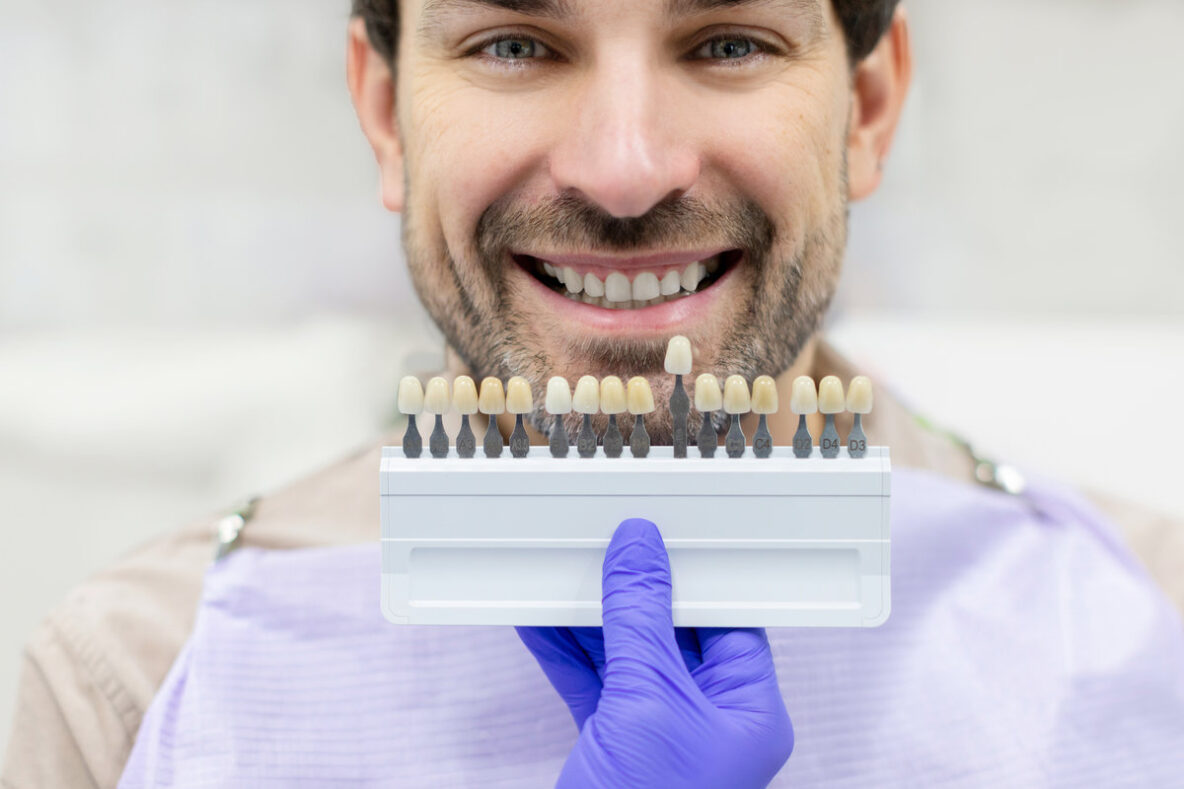
Porcelain veneers are thin, custom-fabricated shells made in a dental lab and bonded to the front surfaces of your teeth. Getting veneers typically takes two visits, since we prepare the tooth, take precise impressions, and wait for the lab to craft a shell matching your desired shade and shape. Dr. Benaissa’s training through the Maxicourse at the New York University College of Dental Medicine provides him with a strong foundation in the bite considerations involved in a well-fitting veneer.
Porcelain resists staining better than composite resin and holds its shape well under normal biting forces, which is why veneers tend to suit patients seeking a long-term, low-maintenance fix for more significant discoloration or wear. According to a 2025 systematic review in the peer-reviewed journal Cureus, composite resin restorations showed a median clinical survival time of approximately 11 years, which helps explain why many patients opt for porcelain when durability is the top priority.
Cost and Time Differences
Bonding is generally the more affordable option since it uses less material, requires no lab fees, and can usually be completed the same day as your consultation. Veneers carry a higher upfront cost due to the custom lab work, though many patients find the investment worthwhile given how long a well-maintained veneer can last.
Choosing the Right Option for Your Smile
The right choice often comes down to the size of the problem and how much change you want. A small chip on one tooth or a single stained tooth from an old injury is frequently a great candidate for bonding, since the fix is targeted and reversible if your preferences change later.
If you are dealing with widespread staining that resists whitening, uneven tooth shapes, or several teeth needing a cohesive transformation, veneers usually deliver a more predictable, lasting result. Consider the following factors as you weigh which path fits:
- How many teeth are affected, and whether the concern is isolated or widespread
- Whether you want a same-day fix or are comfortable with a two-visit process
- Your budget weighed against long-term durability
- How stain-resistant you need your restoration to be, especially with regular coffee, tea, or wine
Bringing these factors to your consultation helps us build a plan around what matters most to you, rather than defaulting to one option for every patient.
Restoring Your Smile at Newton Smile Centre
Whether a chipped tooth or a stubborn stain has been holding you back, Newton Smile Centre offers both dental bonding and porcelain veneers so you can choose the path that fits your smile and your life. Dr. Benaissa and Dr. Kiladjian bring training from Tufts University School of Dental Medicine and Boston University School of Dental Medicine, along with continuing education through the Dawson Academy, giving you a team that considers both appearance and long-term function in every restoration we place.e place.
We work with Delta Dental, Cigna, Aetna, Humana, United, and MetLife, and we offer Cherry financing to help make cosmetic treatment more accessible for our Newton, Brookline, and Greater Boston patients. If you are ready to talk through your options for a chipped or stained tooth, reach out through our contact form to schedule a consultation.