

Bad breath is one of those conditions people have been quietly trying to solve for as long as recorded history. Ancient Egyptians chewed on herbs and spices to mask oral odor. Greeks gargled with wine and anise. Medieval Europeans turned to parsley, cloves, and complicated herbal mixtures. What is striking is not how different those approaches were from today’s, but how persistent the problem has always been. Bad breath is not a modern invention, and neither is the discomfort it causes.
What has changed is our understanding of why it happens, and what can actually be done about it. At Newton Smile Centre, we treat persistent halitosis as the clinical issue it is, not just a matter of diet or hygiene effort. Our dental services in Newton include a thorough evaluation of the oral environment to identify what is actually driving the odor and address it at the source.
What Bad Breath Actually Is
The clinical term for bad breath is halitosis, and in the majority of cases, its origin is inside the mouth. The primary mechanism involves anaerobic bacteria breaking down sulfur-containing proteins and producing volatile sulfur compounds as a byproduct. These compounds are responsible for the characteristic unpleasant odor. The bacteria responsible tend to accumulate on the back of the tongue, between the teeth, and in areas where oxygen is low and food debris collects.
According to a 2023 peer-reviewed narrative review published in Cureus and indexed through the National Institutes of Health, the majority of halitosis cases originate from oral sources, most commonly inadequate oral hygiene, gum disease, and tongue coating. A smaller proportion of cases point to systemic causes, including sinus conditions, gastrointestinal issues, or certain medications. Understanding which category applies is essential for effective treatment.
How People Dealt With It Historically
Before modern dentistry, remedies for bad breath were almost entirely masking agents rather than treatments. Ancient remedies mixed fragrant herbs like myrrh, frankincense, and cinnamon into mouth rinses or chewing preparations. These provided temporary relief by overpowering the odor but did nothing to reduce the bacterial load or address the underlying conditions driving it.
Why Masking Was Never Enough
The problem with masking agents has always been the same: they work on the symptom and ignore the cause. A person with gum disease chewing on cloves in the sixteenth century was still a person with gum disease. The inflammation, bacterial overgrowth, and tissue breakdown continued regardless of whether the breath smelled pleasant in the moment. This is still relevant today, when many patients default to mouthwash and mints without addressing the underlying conditions that make those products necessary in the first place.
What Modern Dentistry Does Differently
The distinction between masking and treating halitosis is where modern dentistry offers something genuinely different. Rather than covering odor, we identify its source and address the conditions producing it. For most patients, persistent bad breath traces back to one or more of the following: inadequate removal of bacteria and food debris at home, calculus buildup that harbors odor-producing bacteria, early or active gum disease, dry mouth that reduces saliva’s natural cleansing function, or tongue coating that accumulates bacteria between cleanings.
A thorough oral cancer screening and evaluation can also rule out systemic contributors when the source of persistent halitosis is not immediately apparent from the oral environment alone. For patients whose bad breath connects to dry mouth, gum inflammation, or soft tissue concerns, Oracare antimicrobial rinse therapy, combined where indicated with soft tissue laser treatment, provides targeted clinical management that goes well beyond what over-the-counter products can offer. Patients who have questions about their specific situation will find answers at our patient FAQs or by bringing them directly to their next appointment.
Some of the most common contributors to persistent bad breath that respond well to dental care include:
- Tongue coating: Bacteria accumulates heavily on the textured surface of the tongue, particularly toward the back.
- Gum disease: Pockets between the teeth and gums create low-oxygen environments where odor-producing bacteria thrive.
- Dry mouth: Reduced saliva flow limits natural bacterial control, allowing odor to build between meals.
- Poorly fitting restorations: Gaps or rough edges on crowns and fillings trap food debris.
- Infrequent cleanings: Calculus buildup accelerates bacterial colonization in areas that brushing cannot reach.
Identifying which of these factors is present requires an actual examination, not a guess.
Fresh Breath and Healthy Gums at Newton Smile Centre
At Newton Smile Centre, we take bad breath seriously because it is often a signal that something in the oral environment deserves attention. Dr. Benaissa earned his Doctorate from Tufts University School of Dental Medicine in 2004 and completed the Maxicourse at the New York University of Dental Medicine, broadening his clinical depth across occlusion, implant restoration, and full-mouth reconstruction, and he fervently brings the latest advances in technology and technique to every patient visit. Dr. Kiladjian earned her Bachelor of Science in Biological Sciences from Bucknell University, her Master’s in Oral Health Sciences from Boston University School of Medicine, and her Doctorate from Boston University School of Dental Medicine, where her commitment to the profession extended into community outreach and philanthropic dental care.
Most major insurance plans are accepted here, including Delta, Cigna, Aetna, Humana, United, and MetLife, and Cherry 0% financing is available for qualifying cases. If persistent bad breath has been bothering you and home remedies have not resolved it, our team can help identify what is actually going on. Contact our office to schedule an evaluation in Newton, MA.
Frequently Asked Questions About Bad Breath and Halitosis
What are the most common causes of bad breath?
The most common causes of bad breath are oral in origin. They include inadequate brushing and flossing that leaves food debris and bacteria in the mouth, tongue coating where bacteria accumulate on the back of the tongue, active or early-stage gum disease, dry mouth that reduces saliva’s natural cleansing role, and calculus buildup from infrequent professional cleanings. A smaller number of cases trace back to systemic causes such as sinus conditions, certain medications, or gastrointestinal issues.
When should I see a dentist for bad breath?
If bad breath persists despite consistent brushing, flossing, and tongue cleaning, it is worth scheduling a dental evaluation. Persistent halitosis that does not respond to improved home hygiene is often a sign of an underlying condition such as gum disease, calculus buildup, or dry mouth that requires professional assessment. A dentist can examine the oral environment, identify contributing factors, and recommend a targeted treatment plan rather than continued masking.
Can bad breath be a sign of gum disease?
Yes. Persistent bad breath is one of the more common early indicators of gum disease. The pockets that form between the teeth and gums in gum disease create low-oxygen environments where odor-producing anaerobic bacteria thrive. If your bad breath is accompanied by bleeding gums, gum tenderness, or visible gum recession, a periodontal evaluation is the appropriate next step. Treating the underlying gum condition is the most effective way to address the associated odor long term.
Does mouthwash cure bad breath or just mask it?
Most over-the-counter mouthwashes mask bad breath temporarily rather than addressing its source. Alcohol-based rinses can dry out oral tissues, which may worsen halitosis over time by reducing saliva flow. Antimicrobial rinses that target odor-producing bacteria more directly, such as those containing chlorine dioxide, can reduce bacterial load more effectively. For persistent halitosis rooted in gum disease or other clinical conditions, mouthwash alone is not a long-term solution.
What can I do at home to reduce bad breath between dental visits?
The most effective home strategies are brushing twice daily with fluoride toothpaste, flossing once daily to remove food and plaque from between teeth, and cleaning the tongue with a tongue scraper or the back of a toothbrush. Drinking plenty of water throughout the day supports saliva production, which naturally controls bacteria. Avoiding tobacco and limiting alcohol also reduce oral dryness. Regular professional cleanings remain essential because they remove calculus that home hygiene alone cannot address.
Make sure to keep up with your regular dental visits too!
The content on this blog is not intended to be a substitute for professional medical advice, diagnosis, or treatment. Always seek the advice of qualified health providers with questions you may have regarding medical conditions.

About the Reviewer: Dr. Walid Benaissa, DMD
- Doctorate of Dental Medicine, Tufts University School of Dental Medicine (2004)
- Advanced training via the Maxicourse at NYU College of Dentistry — occlusion, implant restoration, full-mouth reconstruction
- Member: American Dental Association, Massachusetts Dental Society, American Academy of Group Dental Practices, The Dawson Academy
- Founder of Newton Smile Centre (2010)
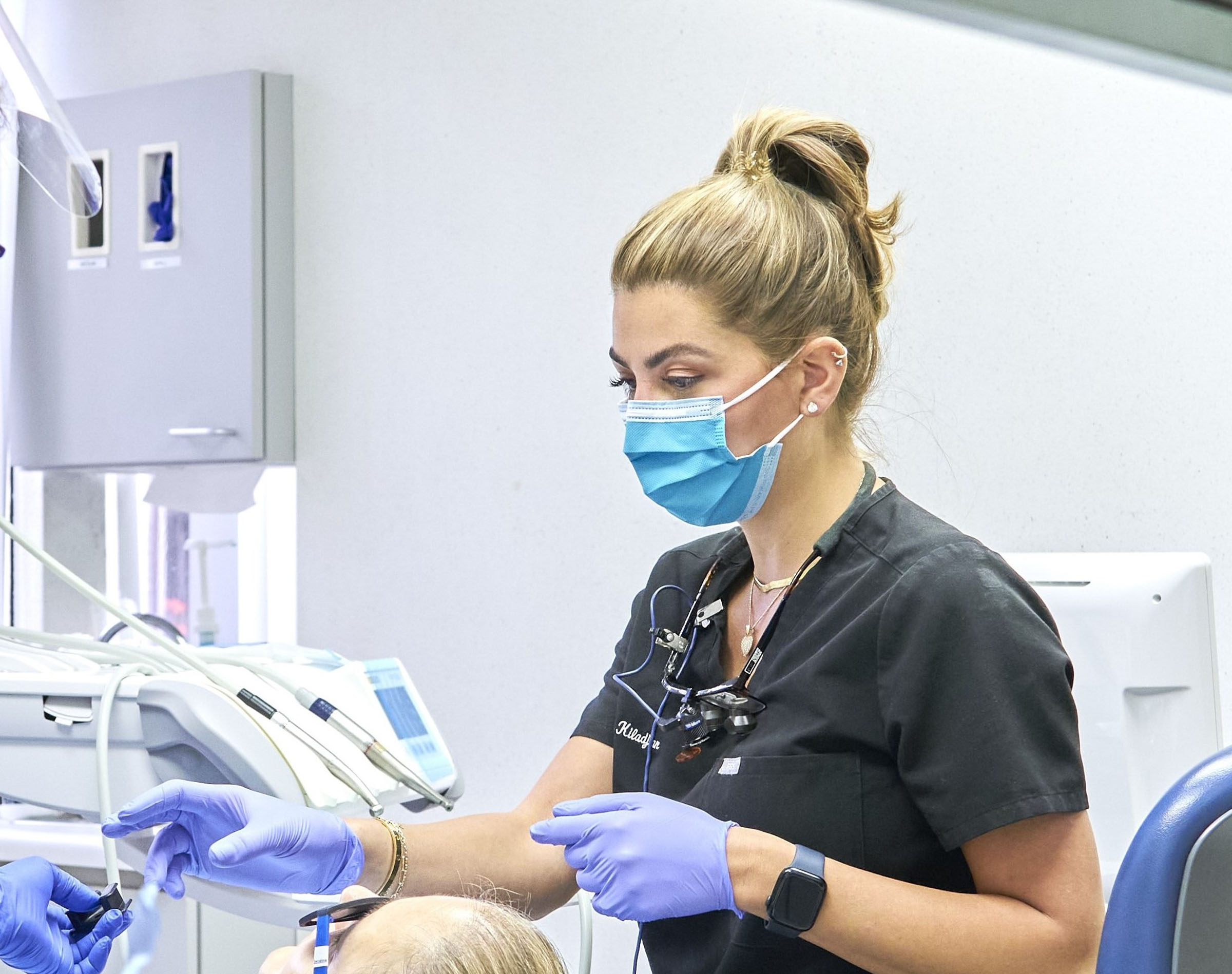
About the Reviewer: Dr. Talar Kiladjian, DMD
- Doctorate of Dental Medicine, Boston University School of Dental Medicine
- Master's in Oral Health Sciences, Boston University School of Medicine
- Certified Invisalign provider; trained in CEREC same-day restorative technology
- Member: American Dental Association, Massachusetts Dental Society