

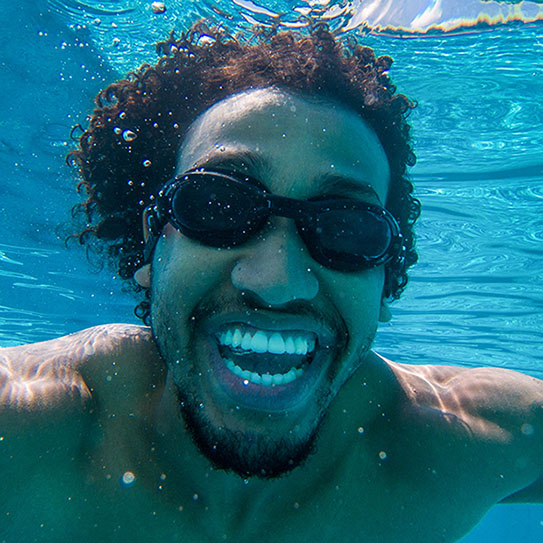
Swimming is one of the most popular forms of exercise in the greater Boston area, and for good reason. It is low-impact, cardiovascular, and accessible to nearly every age group. What most swimmers do not think about, however, is what spending time in a chlorinated pool may be doing to their teeth. The answer is more significant than most people expect, and it applies whether someone swims recreationally a few times a week or trains competitively year-round.
At Newton Smile Centre, we see the effects of lifestyle habits on oral health every day, and swimming is one of the topics that does not come up enough. Our dental services are built around understanding the full context of a patient’s life, including how activities like swimming may be quietly contributing to changes in their enamel, sensitivity, or gum tissue.
How Pool Chemistry Affects Your Teeth
The primary concern with swimming pools and oral health comes down to pH. Pool water is treated with chlorine to kill bacteria and keep the water safe, but when chlorine compounds dissolve in water, they can lower its pH, making it more acidic. The recommended pH range for pool water is 7.2 to 7.8, which is close to neutral. When that level drops, the water becomes increasingly acidic and capable of softening and eroding tooth enamel on contact.
Tooth enamel is the hardest substance in the human body, but it is not immune to acid. Repeated exposure to water with a low pH strips minerals from the enamel surface in a process called erosion. Unlike decay, which is driven by bacteria, erosion is a purely chemical process. Once enamel is lost, it does not grow back, and the teeth beneath become more vulnerable to sensitivity, staining, and structural damage over time.
What the Research Shows
A 2024 study published in the journal Dentistry Journal examined dental erosion in competitive swimmers and found that chlorinated pool water acts as a potential erosive agent when pH values fall below optimal levels. The study confirmed that treating tooth surfaces with concentrated fluoride products provided measurable protection against enamel erosion, reinforcing the value of preventive care for regular swimmers. These findings are relevant not only for competitive athletes but for anyone who spends consistent time in chlorinated water.
Who Is Most at Risk?
Risk increases with frequency and duration of exposure. Casual swimmers who get in the pool a few times a month are unlikely to experience significant effects, provided the pool is well-maintained. Those who swim several times per week, train with a club or team, or spend long sessions in the water face a meaningfully higher risk of cumulative enamel wear. Children and adolescents in swim programs are worth paying particular attention to, as their enamel may be more susceptible during development. The condition of the pool itself also matters: privately maintained pools and older public facilities are more likely to have variable pH levels that go unchecked between uses.
Protecting Your Teeth if You Swim Regularly
The good news is that the risk is manageable with the right habits in place. Staying on top of preventive care is the most important step. Regular professional cleanings allow us to monitor enamel health over time and catch early signs of erosion before they progress. Fluoride treatment applied during dental visits strengthens enamel and helps it resist the acid exposure that comes with swimming in a pool. For patients who swim heavily, we may also discuss additional options such as Oracare oral rinse therapy to support the health of the soft tissue and oral environment between appointments.
For patients who already show early signs of enamel wear, dental bonding can restore affected surfaces and provide a layer of protection for the underlying tooth structure. Keeping your mouth closed while swimming also limits how much pool water contacts your teeth directly, and rinsing with plain water immediately after getting out helps neutralize any residual acidity.
Some steps swimmers can take to reduce oral health impact include:
- Rinse immediately: Plain water after every swim helps neutralize pool water acidity on tooth surfaces.
- Keep your mouth closed: Minimizing water contact with teeth reduces cumulative acid exposure.
- Stay current on fluoride: In-office fluoride treatments strengthen enamel between swim sessions.
- Schedule regular checkups: Consistent monitoring lets us catch early erosion before it becomes structural damage.
- Ask about pH: For those with home or club pools, checking pH levels regularly is a simple and effective protective measure.
These habits are straightforward to build, and when combined with consistent professional care, they go a long way toward protecting your smile season after season.
Protecting Active Smiles at Newton Smile Centre
Newton Smile Centre has built lasting relationships with patients across Newton, Brookline, Watertown, and the greater Longwood Medical area, and we take a genuinely personal interest in what is happening in each patient’s life outside of the dental chair. Dr. Walid Benaissa earned his Doctorate from Tufts University School of Dental Medicine in 2004 and holds active memberships in the American Dental Association, the Massachusetts Dental Society, and the prestigious Dawson Academy continuing education program, reflecting a patient-first philosophy that shapes every appointment at our Newton Centre practice.
Dr. Talar Kiladjian earned her Master’s in Oral Health Sciences from Boston University School of Medicine and her Doctorate from Boston University School of Dental Medicine, where she served as Social Chair of the American Student Dental Association chapter during her studies. We are in-network with Delta, Cigna, Aetna, Humana, United, and MetLife, and Cherry 0% financing is available for qualifying cases. If you swim regularly and want to make sure your teeth are holding up well, our team is ready to take a thorough look and walk you through exactly what we find. Contact our office to schedule your next visit.