

MOST MEDICATIONS come with a list of possible side effects, including side effects that impact oral health. These side effects are common even when the medications have nothing to do with your teeth or gums, so it’s helpful to know what you can do to balance necessary medications with maintaining a healthy smile.
Oral Chemistry and Medicine
Some medications and even some vitamins are actually directly harmful to our teeth. This is particularly common with children’s medication because they tend to come in the form of sugary syrups and multivitamins designed to be like candy. Sugar is the favorite food of harmful oral bacteria, which will then excrete acid on the teeth.
Adult medications are most often in pill form so they don’t interact with the teeth or gums, but something like an inhaler can lead to oral thrush (irritating or painful patches of white fungus that grow on the roof of the mouth, the inside of the cheeks, and the tongue). Adults and children can take preventative measures against this kind of side effects. It can be as simple as rinsing with water after taking these medications or vitamins or after using an inhaler. Our team provides Newton preventive dental care.
Indirect Effects of Medicine on Oral Health
Even pills that make it past the mouth without any direct harm to the teeth can cause mouth-related side effects. For example, blood thinners can leave gum tissue more vulnerable to bleeding while brushing and flossing. Inflammation of the gums is a common side effect that increases the risk of gum disease.
Whether the medications are prescribed or over-the-counter, the most common oral side effect is dry mouth, which can lead to a wide range of other oral health issues. When there isn’t enough saliva in the mouth, it makes chewing and swallowing more difficult, even uncomfortable, and it leaves the teeth and gums more vulnerable to oral bacteria. It can even make it more difficult to taste food! We also cover the health benefits of smiling in a separate post.
Other Ways Medicine Can Impact Oral Health
Osteoporosis drugs have in rare cases been associated with compromised bone tissue in the jaw, increasing the risk of tooth loss and gum recession. Some medications cause changes to the sense of taste even when they don’t cause any real harm, typically with a strange metallic or bitter aftertaste that lingers.
Talk to the Dentist And Your Doctor About Your Side Effects
Always make sure to keep your health care professionals in the know when you’re experiencing side effects, and that includes your dentist when the side effects are impacting your mouth. Sometimes it is possible to change prescriptions or alter the dosage to minimize a side effect, but that can only happen if the doctor knows what’s happening.
The dentist is always a great resource for your oral health concerns!
Top image used under CC0 Public Domain license. Image cropped and modified from original.
The content on this blog is not intended to be a substitute for professional medical advice, diagnosis, or treatment. Always seek the advice of qualified health providers with questions you may have regarding medical conditions.

About the Reviewer: Dr. Walid Benaissa, DMD
- Doctorate of Dental Medicine, Tufts University School of Dental Medicine (2004)
- Advanced training via the Maxicourse at NYU College of Dentistry — occlusion, implant restoration, full-mouth reconstruction
- Member: American Dental Association, Massachusetts Dental Society, American Academy of Group Dental Practices, The Dawson Academy
- Founder of Newton Smile Centre (2010)
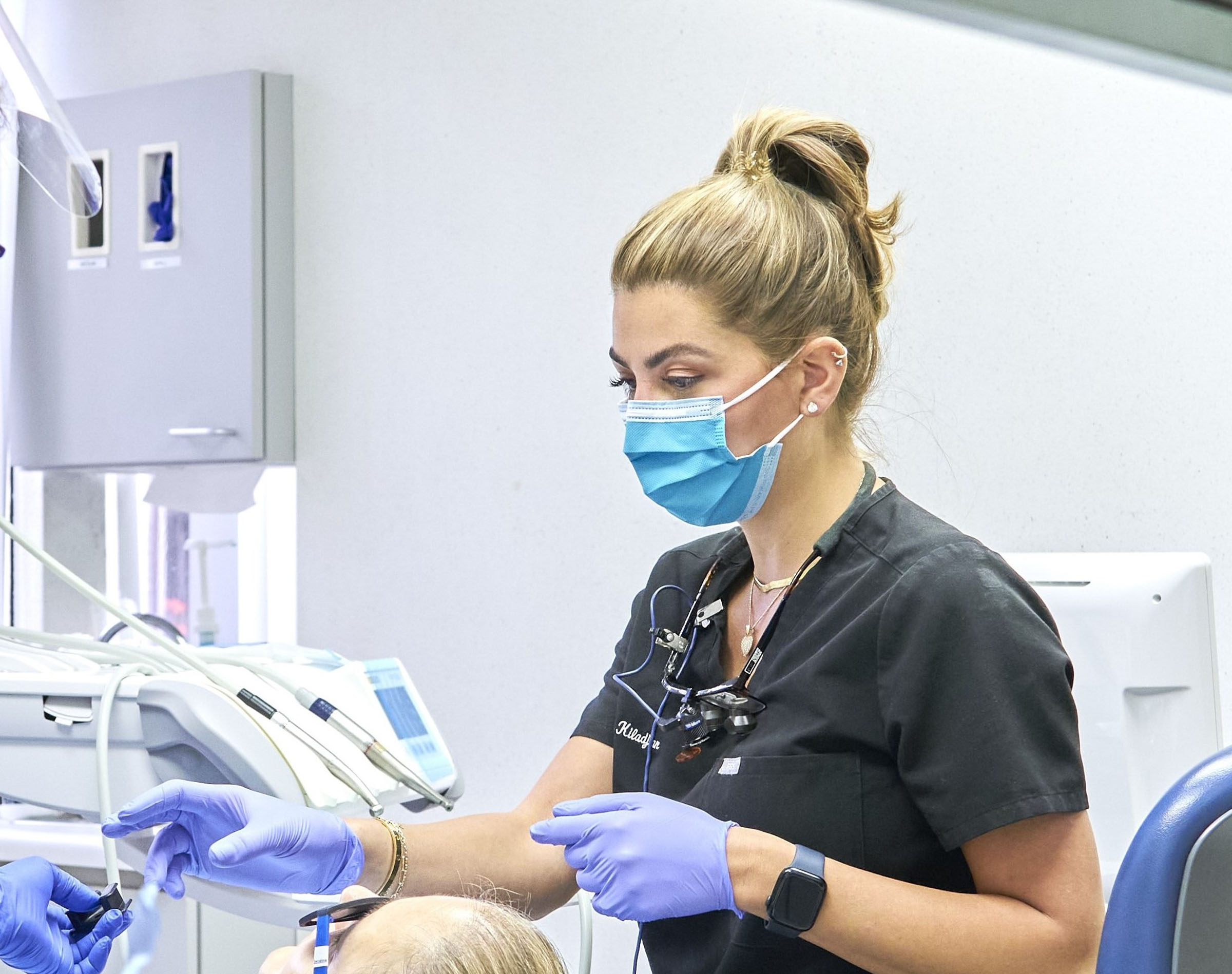
About the Reviewer: Dr. Talar Kiladjian, DMD
- Doctorate of Dental Medicine, Boston University School of Dental Medicine
- Master's in Oral Health Sciences, Boston University School of Medicine
- Certified Invisalign provider; trained in CEREC same-day restorative technology
- Member: American Dental Association, Massachusetts Dental Society