

VERY FEW OF us still remember how sore our mouths felt when we were teething as babies, but most of us remember how tender it felt when our adult molars came in. For your little one, teething is a first encounter with that kind of soreness, and it can be upsetting for both of you. Between the drooling, the fussing, and the sleepless nights, it is hard to know what is normal and what might help.
Our team at Newton Smile Centre is happy to help you through this stage. With family dentistry care for patients of all ages, we believe the best care starts with showing you what we see and explaining it clearly, so you can feel confident caring for your child’s new teeth.
Signs Your Baby May Be Teething
Teething usually begins when a child is between 6 and 8 months old, and the two bottom front teeth often come in first, according to MedlinePlus. Common signs include cranky or irritable behavior, drooling, swollen and tender gums, chewing on hard objects, refusing food, and trouble sleeping. You may also notice less interest in breastfeeding or a sudden dislike of foods your child usually enjoys.
Teething also happens in stages. First, the tooth moves up through the gum tissue, and then it breaks through and becomes visible. Both stages can feel uncomfortable, and babies cannot tell you what hurts, so fussiness around feeding or bedtime is often how the discomfort shows up.
When It Might Not Be Teething
Sometimes parents blame teething for symptoms that have another cause. A runny nose, diarrhea, or a fever can be signs of a viral infection, so it is worth paying attention if they appear. Teething may cause mild irritability and drooling, but it should not make your child seriously ill.
If these symptoms last or get worse, contact your child’s pediatrician. It is always fine to ask for a medical opinion when something does not seem right.
Safe Ways to Soothe Sore Gums
Gentle, simple options often work best. Wash your hands, then rub your child’s gums with a clean finger for a minute or two. You can also offer a cool, firm rubber teething ring, which many babies find comforting to chew on. Keep it cool rather than frozen, because anything too hard can hurt tender gums.
Wiping drool from your child’s face with a soft cloth can help prevent a rash. If your child is breastfeeding, continuing as usual may offer comfort too. If your baby seems very uncomfortable, talk with your pediatrician about what is safe to give.
Teething Products to Skip
Some products sold for teething do more harm than good. The FDA warns against numbing gels and creams that contain benzocaine, as well as homeopathic teething tablets, because the risks outweigh any benefit. The FDA also cautions against teething necklaces and bracelets because of the risk of choking and strangulation, so please do not tie anything around your child’s neck.
Liquid-filled teethers are best avoided too, because they can leak or break. If you are unsure about a product, ask your pediatrician or our team before you try it.
Choosing a Safe Teething Toy
Look for a solid, one-piece teether made of firm rubber that is too large to swallow, and check it often for cracks or wear. Many parents also prefer toys free of PVC, BPA, and phthalates, and the packaging usually says so. Wash it often.
A clip can keep a toy close, but it should attach to your child’s clothing, never around the neck. Supervise your child whenever they chew on a toy, and replace it right away if it starts to break down.
When to Schedule the First Dental Visit
As soon as the first tooth appears, you can start caring for it, and that is also a good time to plan your child’s first dental visit. Our guide to preparing for the first dental visit explains what to expect and how to help your child feel comfortable. You can also learn more about caring for your child’s gums and teeth at home so good habits start early.
Early visits give you a chance to ask questions about teething, feeding habits, and pacifier or thumb sucking, and they help your child get used to the dental office over time. If you are new to our practice, our new patient information can help you plan ahead.
Schedule Your Visit With Newton Smile Centre
Dr. Walid Benaissa earned his doctorate from Tufts University School of Dental Medicine in 2004, and Dr. Talar Kiladjian earned her Master’s in Oral Health Sciences and her doctorate from Boston University. Together with our close-knit team, we offer a warm, homey setting where you are treated like family. You can learn more about our doctors and team before your first appointment.
We are happy to answer your teething questions and help you plan your child’s first checkup. We are in-network with Delta, Cigna, Aetna, Humana, United, and MetLife, and you can contact our office to schedule your visit.
Top image used under CC0 Public Domain license. Image cropped and modified from original.
The content on this blog is not intended to be a substitute for professional medical advice, diagnosis, or treatment. Always seek the advice of qualified health providers with questions you may have regarding medical conditions.
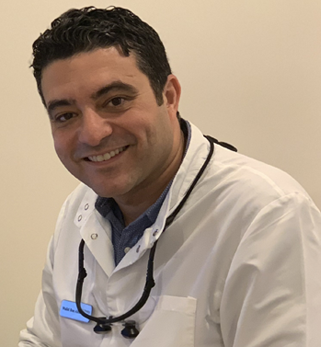
About the Reviewer: Dr. Walid Benaissa, DMD
- Doctorate of Dental Medicine, Tufts University School of Dental Medicine (2004)
- Advanced training via the Maxicourse at NYU College of Dentistry — occlusion, implant restoration, full-mouth reconstruction
- Member: American Dental Association, Massachusetts Dental Society, American Academy of Group Dental Practices, The Dawson Academy
- Founder of Newton Smile Centre (2010)
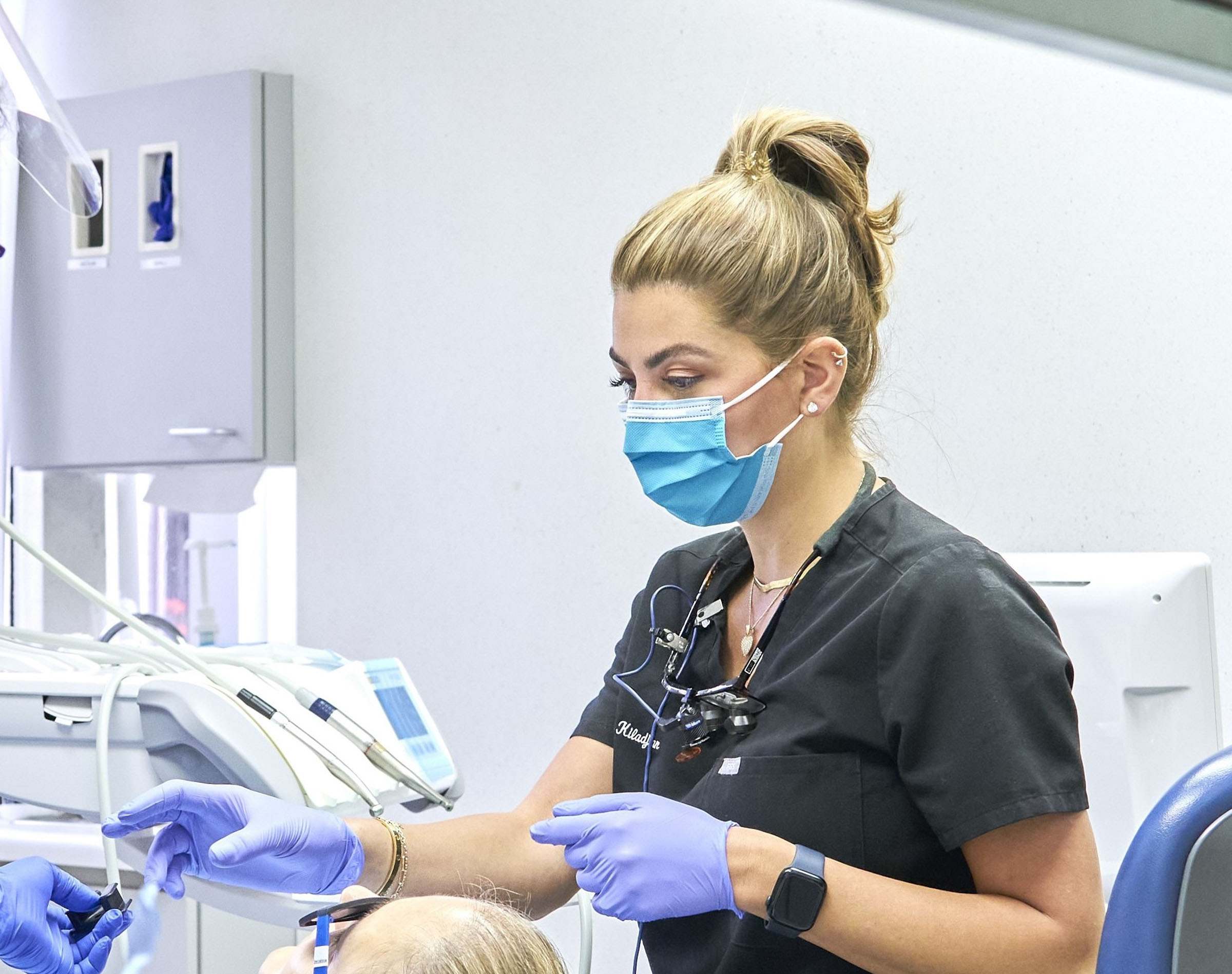
About the Reviewer: Dr. Talar Kiladjian, DMD
- Doctorate of Dental Medicine, Boston University School of Dental Medicine
- Master's in Oral Health Sciences, Boston University School of Medicine
- Certified Invisalign provider; trained in CEREC same-day restorative technology
- Member: American Dental Association, Massachusetts Dental Society