

“SWIMMER’S CALCULUS” SOUNDS more like advanced mathematics than anything to do with teeth, but it is actually the term for the yellow or brown stains some swimmers notice on their teeth. Divers face their own surprises, from pressure that builds inside a tooth to a mouthpiece that never seems to fit. If you spend your summers in the pool or your weekends underwater, your smile may be working harder than you realize.
Our team at Newton Smile Centre is happy to walk you through how time in the water may affect your teeth. With a full range of dental services for the whole family, we believe the best care starts with showing you exactly what we see and explaining what it means for your smile.
Why Swimmers May Notice Stains and Sensitivity
Pool water is treated with chemicals to keep it clean and safe, and those chemicals can shift the water’s pH. When pool water has a higher pH than saliva, proteins in your saliva may break down and form brown or yellow deposits, most often on the front teeth. The more often and the longer you swim, the more likely you may be to notice them.
The good news is these stains usually sit on the surface of the tooth. A professional cleaning can often remove them, and if you would like a brighter shade afterward, we can talk through teeth whitening options during your visit.
How Pool Water Can Wear Down Enamel
Stains are only part of the picture. Pool water with a lower pH can soften tooth enamel, a process called erosion, and enamel does not grow back once it wears away. Early on, you may simply notice teeth that feel sensitive to cold drinks after a swim.
Time in the water appears to matter. In a small 2024 pilot study of competitive swimmers, 11 of the 20 participants had severe erosion scores, and more weekly training hours tended to be linked with higher scores. Every swimmer faces a different level of risk, so regular checkups help us watch your enamel over time. We may also recommend fluoride treatment to help strengthen your teeth against acid.
What Tooth Squeeze Means for Scuba Divers
Divers can run into a different problem called barodontalgia, or tooth squeeze. Pressure builds in your ears as you descend, and it can also build inside your teeth, especially teeth with untreated cavities or faulty dental work. If the pressure grows enough, a tooth may even fracture.
We recommend a dental visit before each diving season so we can check for weak spots before you head below the surface. A quick exam now may help you avoid a painful surprise at depth.
How Scuba Mouthpieces Can Strain Your Jaw
A one-size-fits-all mouthpiece rarely fits anyone well, so many divers clench down to keep it in place. That constant pressure can strain the jaw and may contribute to temporomandibular joint disorder, also called TMD. Jaw soreness, clicking, or headaches after a dive are all worth mentioning to us.
If you dive several times a year, a custom-fitted mouthpiece is worth considering. It is made to match your teeth and bite, which can help protect your teeth and jaws while you enjoy the dive.
Simple Habits to Protect Your Smile
A few small habits can go a long way toward protecting your teeth, whether you swim laps or explore the depths. Here are the steps we recommend:
- Rinse your mouth with plain water after every swim.
- Keep your mouth closed in the water whenever you can.
- Drink plenty of water to wash pool water off your teeth.
- Schedule a dental visit before swim or dive season begins.
- Walk on wet pool decks, because a slip can chip or loosen a tooth.
These habits are easy to build, and they work best alongside regular checkups. We are always happy to answer questions about keeping your teeth healthy while you enjoy the water.
Schedule Your Visit With Newton Smile Centre
Dr. Walid Benaissa earned his doctorate from Tufts University School of Dental Medicine in 2004, and Dr. Talar Kiladjian earned her Master’s in Oral Health Sciences and her doctorate from Boston University. Together with our close-knit team, we offer a warm, homey setting where you are treated like family. You can learn more about our doctors and team before your first appointment.
Whether you swim laps, dive on vacation, or simply love a day at the pool, we are here to help you protect your smile. We are in-network with Delta, Cigna, Aetna, Humana, United, and MetLife, and you can contact our office to schedule your next visit.
Top image used under CC0 Public Domain license. Image cropped and modified from original.
The content on this blog is not intended to be a substitute for professional medical advice, diagnosis, or treatment. Always seek the advice of qualified health providers with questions you may have regarding medical conditions.

About the Reviewer: Dr. Walid Benaissa, DMD
- Doctorate of Dental Medicine, Tufts University School of Dental Medicine (2004)
- Advanced training via the Maxicourse at NYU College of Dentistry — occlusion, implant restoration, full-mouth reconstruction
- Member: American Dental Association, Massachusetts Dental Society, American Academy of Group Dental Practices, The Dawson Academy
- Founder of Newton Smile Centre (2010)
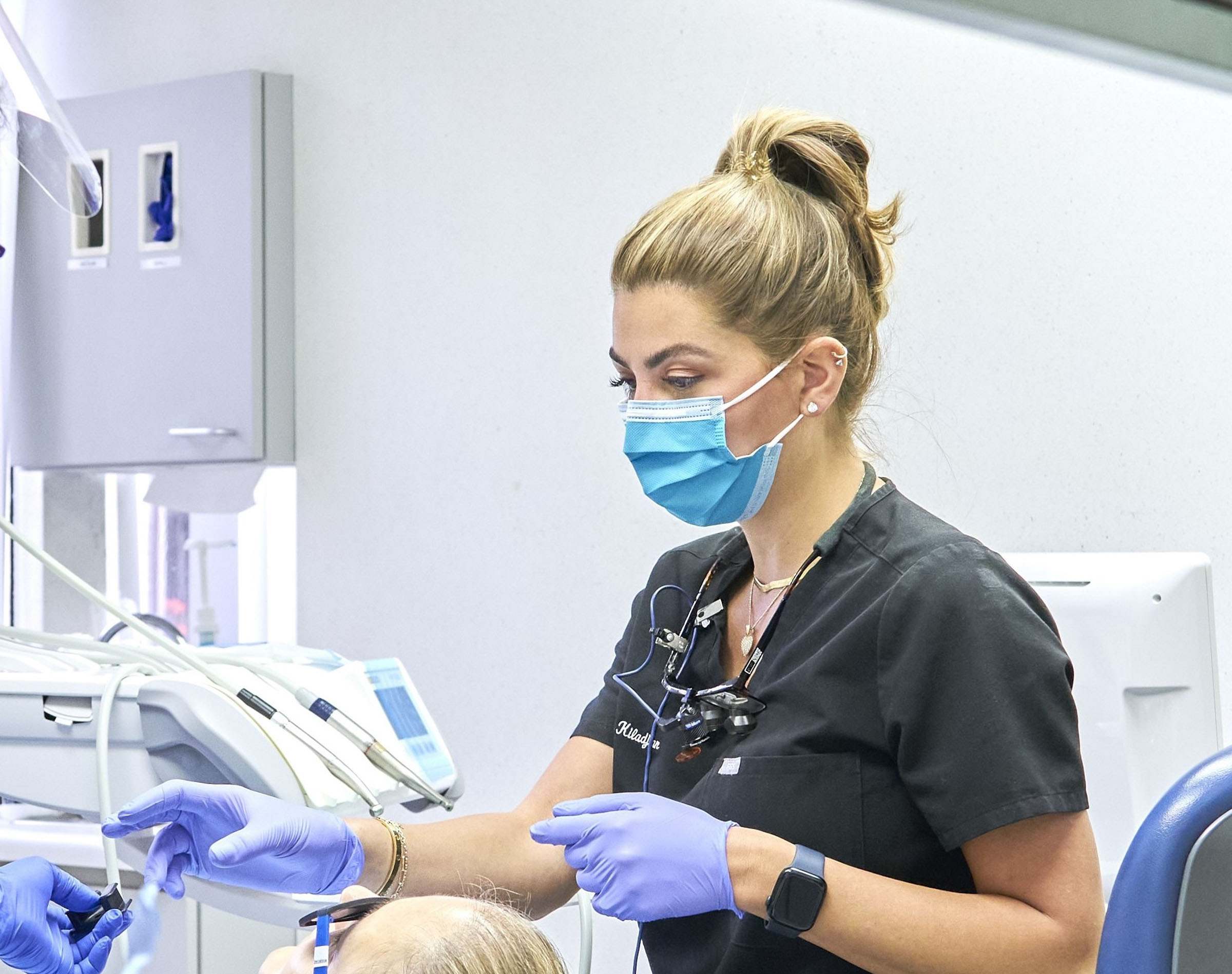
About the Reviewer: Dr. Talar Kiladjian, DMD
- Doctorate of Dental Medicine, Boston University School of Dental Medicine
- Master's in Oral Health Sciences, Boston University School of Medicine
- Certified Invisalign provider; trained in CEREC same-day restorative technology
- Member: American Dental Association, Massachusetts Dental Society