

Losing a tooth changes more than your smile. It can shift how you chew, how your remaining teeth settle into place, and how confident you feel speaking or laughing in front of other people. If you have been told you need to replace a missing tooth, you may be wondering whether a dental bridge is the right route, especially with so many restoration methods available today.
At Newton Smile Centre, we walk our Newton, Brookline, and Cambridge patients through their options so they can choose a solution that fits their smile, their budget, and their daily life. Dental bridges have been a trusted restorative option for decades, and they remain a strong choice for many patients today. Here is what you should know about how they work and why they may still make sense for your smile.
What Is a Dental Bridge?
A dental bridge is a fixed restoration that fills the space left by one or more missing teeth. It gets its name because it literally bridges the gap between two healthy teeth, called abutment teeth, using a false tooth or teeth in the middle called a pontic. The pontic is typically crafted from porcelain or a porcelain fused to metal, and it is shaped and shaded to blend naturally with the teeth around it.
Unlike a removable option, a bridge is cemented into place and functions like your natural teeth once it is set. You brush and floss around it the same way you care for the rest of your smile, and it stays put while you eat, talk, and go about your day. You can read more about CEREC same-day crown technology in another post on our blog.
How the Bridge Placement Process Works
Getting a bridge usually takes two visits. During the first visit, we prepare the abutment teeth on either side of the gap by reshaping them slightly so they can support crowns. We then take an impression, which either goes to a dental lab or is used to design your bridge digitally, and a temporary bridge is placed to protect the prepared teeth while your permanent restoration is made.
At your second visit, we remove the temporary bridge and check the fit, bite, and appearance of the permanent one before cementing it into place. Many patients are surprised by how quickly they adjust to their new bridge, as a well-fitted restoration should soon feel like a natural part of their smile.
Why Patients Still Choose Bridges Today
With so many restorative options on the market, you may wonder why bridges have held up as a reliable choice. Here are a few reasons that stand out:
- Bridges restore your ability to chew and speak clearly when gaps in your smile make both more difficult.
- They help prevent your remaining teeth from drifting into the empty space and creating bite problems over time.
- They support the natural shape of your face by filling spaces that can affect the appearance of your jaw and cheeks.
- They typically require less time from start to finish compared to some other restoration methods.
- They blend in with your smile, with the pontic color matched to your existing teeth.
Thanks to bridges being a well-established option, the process is predictable, and the materials used have a long track record of durability when properly cared for.
Who Is a Good Candidate for a Bridge?
The best candidates for a dental bridge have healthy, stable teeth on either side of the gap that can support the crowns anchoring the bridge. If you have gum disease or significant decay in the abutment teeth, we will want to address those issues first, so the bridge has a solid foundation. Bone health also plays a role, as the abutment teeth need enough support to handle the added pressure of the bridge over time. We also offer same-day crowns in Newton.
According to the CDC, tooth loss can contribute to poor diet, low self-esteem, difficulty speaking, and a lower quality of life. Cavities, gum disease, and smoking are among the leading causes of tooth loss. Replacing a missing tooth promptly can help limit the impact that gap has on your oral health and everyday comfort. Just as importantly, catching decay early and treating it with a dental filling may help prevent tooth loss before it happens.
How Long Does a Bridge Last?
With good oral hygiene and regular checkups, a dental bridge can last ten to fifteen years or longer. The abutment teeth need to stay healthy and free of decay, as they are doing double duty supporting both themselves and the bridge. We often compare the care needed for a bridge to the care you would give a dental crown, because both restorations rely on the strength of the underlying tooth structure.
Newton Smile Centre Is Here to Help You Decide
Deciding how to replace a missing tooth is a personal decision, and we want you to feel informed every step of the way. Our team, led by Dr. Walid Benaissa and Dr. Talar Kiladjian, has helped Newton area patients restore their smiles with care and attention to detail, and we are happy to walk you through whether a bridge fits your specific needs.
If you have a missing tooth and want to explore your options, we invite you to contact us to schedule a consultation. We will look at your smile, discuss what matters most to you, and help you choose a restoration that feels comfortable, looks natural, and holds up for years to come.

About the Reviewer: Dr. Walid Benaissa, DMD
- Doctorate of Dental Medicine, Tufts University School of Dental Medicine (2004)
- Advanced training via the Maxicourse at NYU College of Dentistry — occlusion, implant restoration, full-mouth reconstruction
- Member: American Dental Association, Massachusetts Dental Society, American Academy of Group Dental Practices, The Dawson Academy
- Founder of Newton Smile Centre (2010)
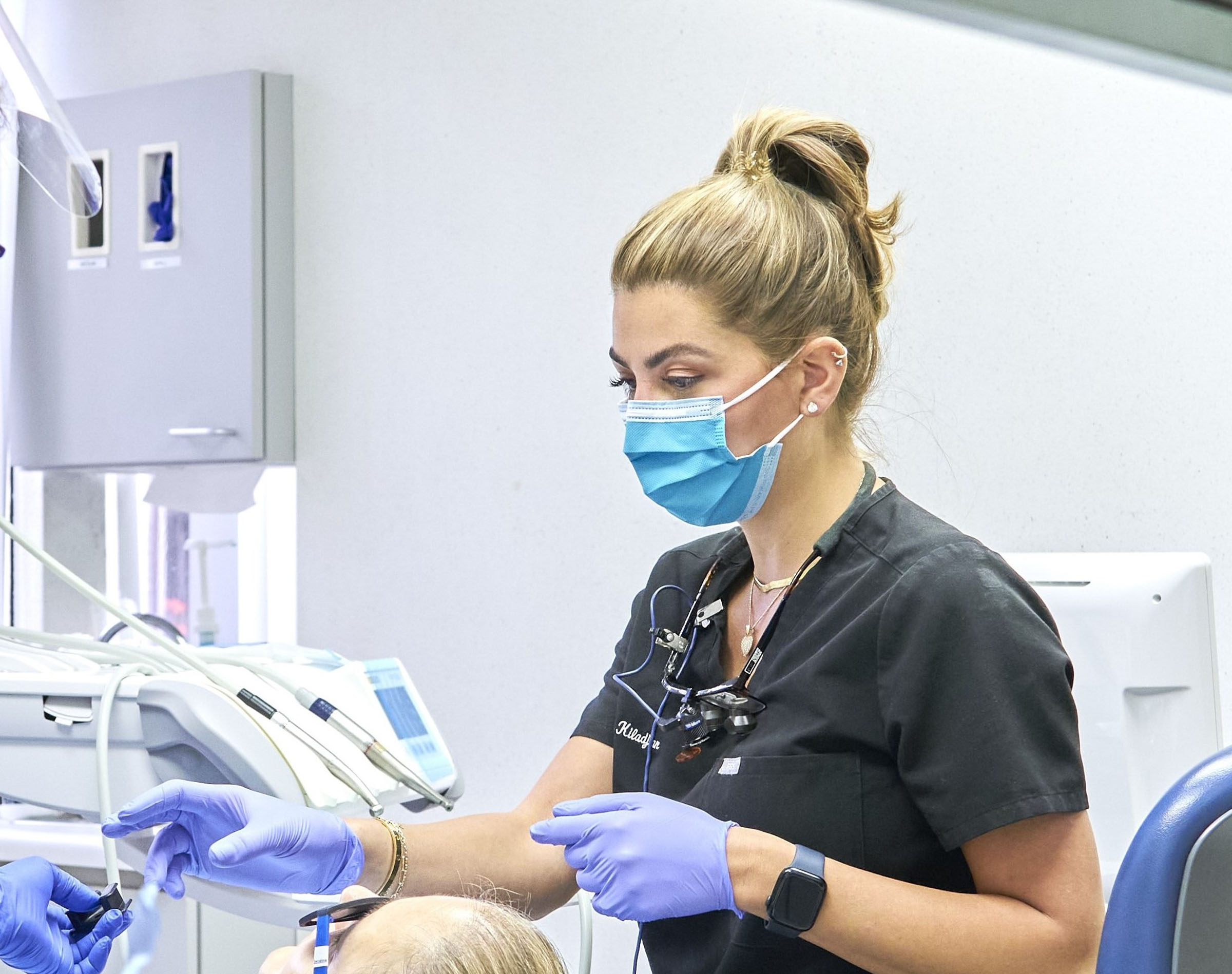
About the Reviewer: Dr. Talar Kiladjian, DMD
- Doctorate of Dental Medicine, Boston University School of Dental Medicine
- Master's in Oral Health Sciences, Boston University School of Medicine
- Certified Invisalign provider; trained in CEREC same-day restorative technology
- Member: American Dental Association, Massachusetts Dental Society