

When a tooth goes missing, the space left behind can quietly affect how you chew, how your remaining teeth line up, and even how the bone beneath the gap holds up over time. Dental implants and bridges both restore that space, and for many patients an implant is the stronger long-term choice because it replaces the root as well as the visible tooth. A bridge can be the better fit when you want a quicker, non-surgical route back to a full smile.
Our team at Newton Smile Centre in Newton Centre, MA places and restores dental implants and offers dental bridges, so you can compare both options with a team that gets to know you personally. Below, we walk you through how each option works and what to consider, so you can feel prepared for your visit.
How Implants and Bridges Replace a Missing Tooth
A dental implant is a small post placed in the jawbone, where it acts as a new root. After the area heals, we attach a custom crown on top, and the result is a tooth that looks and feels natural. Because the post sits in the bone, it may help the jaw stay strong in the area where the tooth was lost.
A dental bridge takes a different approach. A replacement tooth is held in place by crowns on the healthy teeth on either side of the gap, so those teeth are reshaped to support it. Because a bridge relies on your existing teeth, treatment is typically faster and does not require surgery. You can read more about our dental crowns, which play a role in supporting a bridge.
What to Consider Before You Choose
Several factors can help guide your decision between an implant and a bridge. The list below covers the main points to talk through with your dentist.
- Neighboring teeth: a bridge relies on the teeth beside the gap, while an implant stands on its own and leaves them untouched.
- Jawbone health: an implant needs enough healthy bone to hold the post, and we review your bone before recommending it.
- Treatment time: a bridge is often completed in fewer visits, while an implant needs time to heal before the final crown.
- Daily care: both options need brushing and flossing, but you clean under a bridge with a floss threader.
- Long-term plans: if you may need more teeth replaced later, options such as implant-supported dentures can build on implants.
Every mouth is different, so the right choice depends on your bone, your neighboring teeth, and your goals. During your visit, we use digital dental X-rays to look closely at what is happening beneath the surface, and we show you what we see so you can make a decision with confidence.
When Each Option Tends to Fit Best
An implant often makes sense when the teeth next to the gap are healthy and you would rather leave them as they are. A 2022 review of prosthetic outcomes in implant therapy notes fixed implant restorations are usually indicated for a single gap framed by healthy neighboring teeth. With good daily care and regular checkups, an implant can also last for many years.
A bridge may be the better match when the neighboring teeth already have large fillings or crowns, because they can serve as sturdy anchors. It can also appeal to you if you would like to avoid surgery or finish treatment sooner. If a bridge sounds like a fit, our dentists can explain which materials and designs may work best for your bite.
Why Gum Health and Bone Support Matter
Healthy gums matter for both options, because gum disease can affect the tissue and bone that hold a replacement tooth in place. Regular professional cleanings help protect your gums, and they give us a chance to catch small concerns early.
Bone support matters too, because an implant needs enough healthy jawbone to hold the post securely. Dr. Walid Benaissa has completed advanced training in occlusion, dental implant restoration, and full-mouth reconstruction, and our team, including Dr. Talar Kiladjian, takes time to evaluate your bone and bite before recommending a plan.
Contact Newton Smile Centre to Replace Your Missing Tooth
Choosing between an implant and a bridge is easier with a team that treats you like family. Newton Smile Centre is a boutique, close-knit practice in Newton Centre where the same dedicated team has cared for patients for years, and we are in-network with Delta, Cigna, Aetna, Humana, United, and MetLife. We offer convenient hours, next-day appointments, and online booking, and we are happy to make you coffee or tea while you wait.
If you are ready to talk about your missing tooth, we would love to meet you and show you what we see. We welcome new patients, and our team is happy to answer questions before your first visit. To schedule a consultation, reach out through our contact form.
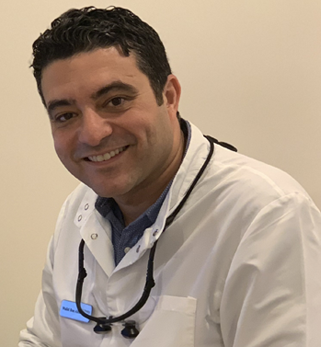
About the Reviewer: Dr. Walid Benaissa, DMD
- Doctorate of Dental Medicine, Tufts University School of Dental Medicine (2004)
- Advanced training via the Maxicourse at NYU College of Dentistry — occlusion, implant restoration, full-mouth reconstruction
- Member: American Dental Association, Massachusetts Dental Society, American Academy of Group Dental Practices, The Dawson Academy
- Founder of Newton Smile Centre (2010)
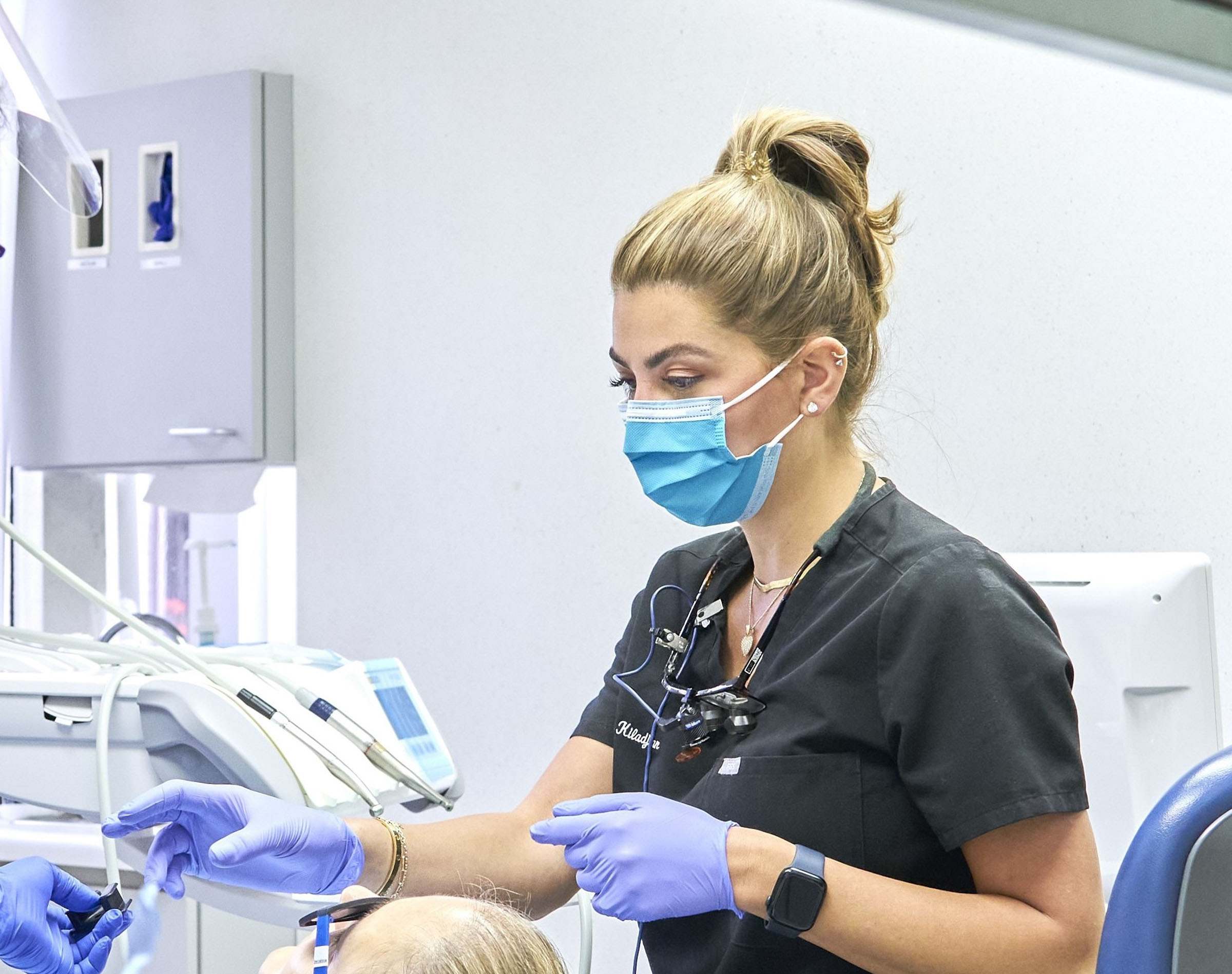
About the Reviewer: Dr. Talar Kiladjian, DMD
- Doctorate of Dental Medicine, Boston University School of Dental Medicine
- Master's in Oral Health Sciences, Boston University School of Medicine
- Certified Invisalign provider; trained in CEREC same-day restorative technology
- Member: American Dental Association, Massachusetts Dental Society