
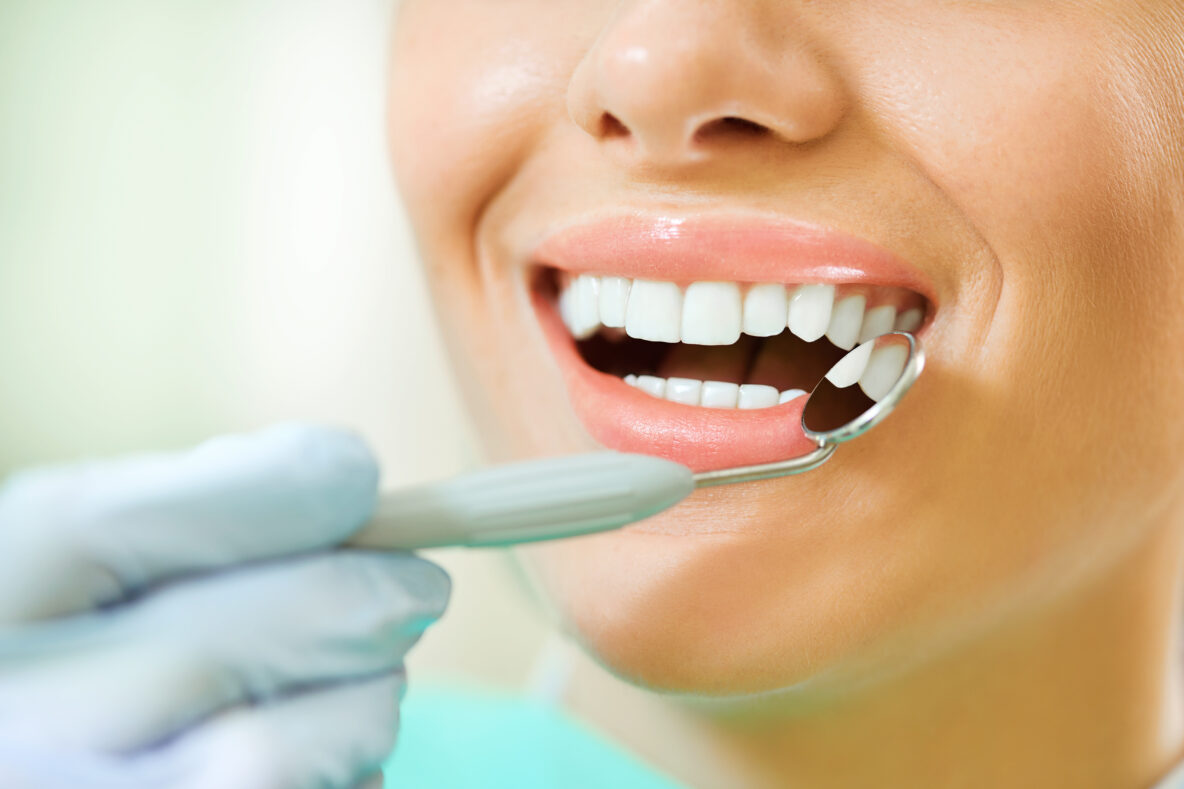
A gap between your front teeth, known clinically as a diastema, is one of the most common cosmetic concerns patients bring to us, and the reassuring answer is yes, dental bonding can fix it. Faster than orthodontics and far less involved than veneers, bonding closes the gap in a single appointment without drilling, without removing tooth structure, and without the recovery time that keeps patients from acting on a concern they may have lived with for years.
At Newton Smile Centre, we believe every patient deserves a smile they feel proud of, and we approach cosmetic care the way we approach everything else: as we would for a member of our own family. Dr. Walid Benaissa, who earned his doctorate from Tufts University School of Dental Medicine, leads our cosmetic consultations with a passion for technology and a commitment to ongoing education. Our dental bonding service has helped patients throughout Newton, Brookline, and the broader Boston area achieve the confident smiles they have always envisioned.
What Is a Tooth Gap, and Why Does It Happen?
The clinical term for a gap between teeth is diastema, and it is far more common than most people realize. According to the Cleveland Clinic, a diastema can develop due to genetics, undersized teeth, an oversized labial frenum, or habits like tongue thrusting during childhood. In some cases, advanced gum disease can also cause gaps to widen over time as the surrounding bone weakens.
In most cases, a gap is purely cosmetic and has no effect on how you bite, chew, or speak. The good news is that modern dentistry offers several effective paths to closing one, and the right approach depends on the size of the space, its cause, and the results you are hoping to achieve.
How Does Dental Bonding Work?
Dental bonding involves applying a tooth-colored composite resin to the surfaces of the teeth on either side of the gap. Your dentist sculpts the resin to gently widen each tooth just enough to close the space, then cures it with a special light and polishes it to a natural finish that blends seamlessly with your surrounding enamel.
Because no tooth structure is removed and no anesthesia is typically needed, most patients find the process completely comfortable. A standard bonding procedure takes about 30 to 60 minutes per tooth, and the results can last five to ten years with good oral hygiene and regular care. It is genuinely one of the most efficient cosmetic procedures available.
Is Dental Bonding Right for You?
Bonding works best for small to moderate gaps, and a consultation is the ideal way to determine whether it is the right fit for you. Here are the key factors your dentist will consider:
- Gap size: Bonding is most effective when the gap is small enough to be closed proportionally without altering the natural look of the adjacent teeth.
- Tooth and gum health: Healthy enamel provides the ideal surface for bonding to adhere to, and any underlying concerns are addressed before treatment begins.
- Cause of the gap: If the diastema stems from a structural issue like an enlarged frenum, combining bonding with a minor supporting procedure may be recommended.
- Budget and timeline: Bonding is completed in one appointment and is typically the most affordable cosmetic option available for gap closure.
Because every patient’s situation is different, we take time with each person to make sure the recommended approach will genuinely work for them.
Bonding Compared to Veneers and Invisalign
Patients weighing their options often ask how bonding compares to other popular cosmetic treatments. Dental veneers are an excellent choice when a gap is accompanied by other concerns, such as chips or discoloration, because they address the full front surface of each tooth. Veneers require lab fabrication and multiple visits, but they offer exceptional durability and a highly polished finish.
Invisalign is worth considering for larger gaps or when broader alignment concerns are present, since clear aligners physically move the teeth rather than masking the space. Many patients also pair their bonding treatment with in-office teeth whitening or take-home whitening for a complete cosmetic refresh at the same time.
Schedule Your Consultation at Newton Smile Centre
Our team at Newton Smile Centre takes pride in the warm, personalized approach we bring to every cosmetic conversation. We sit with each patient, review their goals, and walk through every option so that the path forward feels clear and confident. Whether you have been thinking about closing your gap for years or are just beginning to explore, we are glad you are here.
Visit our new patients page to learn what your first appointment looks like, or reach out today to schedule a consultation at our Newton office. A more comfortable, seamless smile might be just one appointment away.

About the Reviewer: Dr. Walid Benaissa, DMD
- Doctorate of Dental Medicine, Tufts University School of Dental Medicine (2004)
- Advanced training via the Maxicourse at NYU College of Dentistry — occlusion, implant restoration, full-mouth reconstruction
- Member: American Dental Association, Massachusetts Dental Society, American Academy of Group Dental Practices, The Dawson Academy
- Founder of Newton Smile Centre (2010)
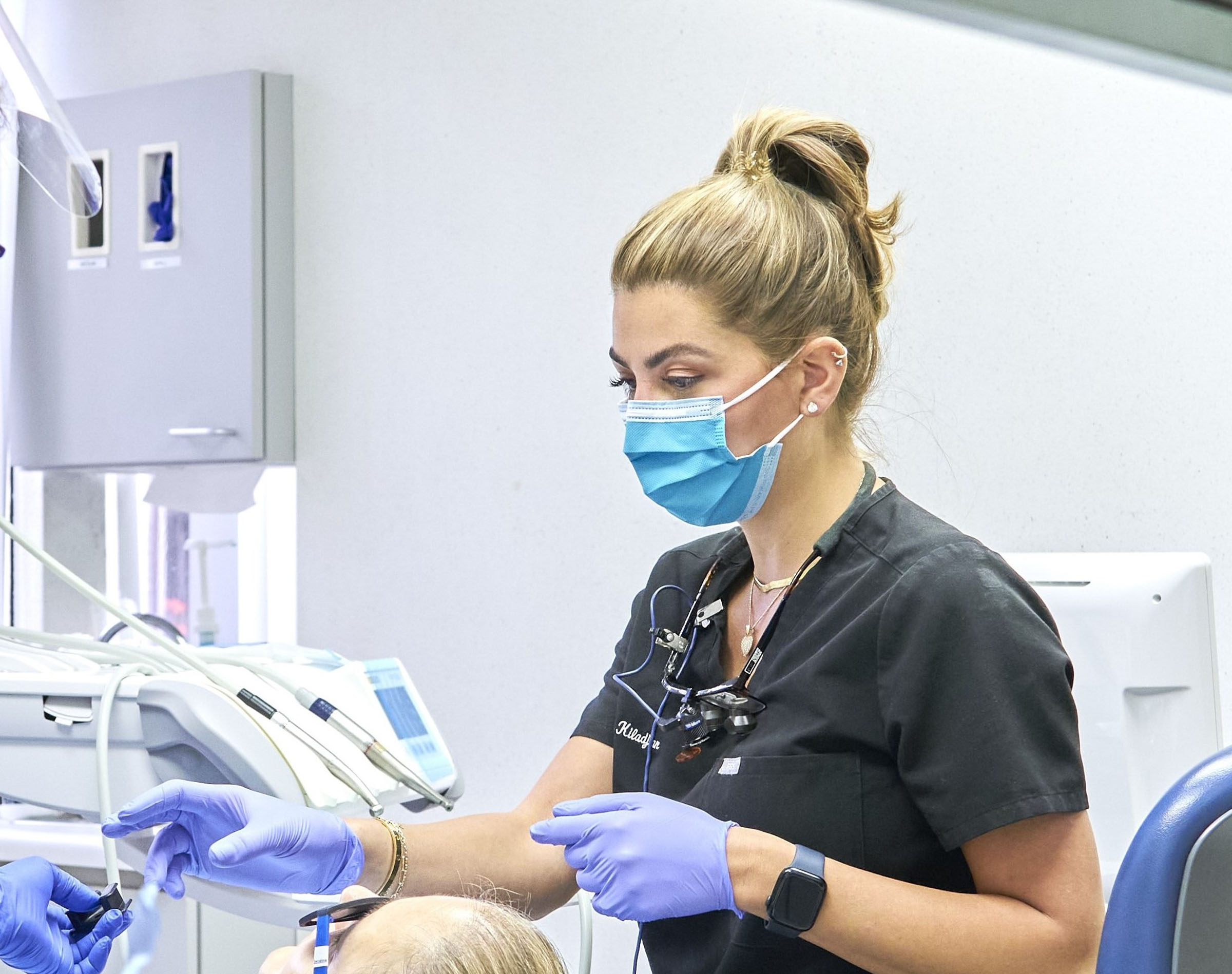
About the Reviewer: Dr. Talar Kiladjian, DMD
- Doctorate of Dental Medicine, Boston University School of Dental Medicine
- Master's in Oral Health Sciences, Boston University School of Medicine
- Certified Invisalign provider; trained in CEREC same-day restorative technology
- Member: American Dental Association, Massachusetts Dental Society